

Wedding Hairstyles for Long Hair A Complete Theoretical Guide to Bridal Elegance and Styling Psychology
Wedding hairstyles for long hair carry far more meaning than simple aesthetic appeal. Across cultures and centuries, long hair has symbolized femininity, vitality, grace, and continuity. On a wedding day, hair becomes part of a bride’s visual narrative a reflection of her identity transitioning into a new chapter of life. The styling choice communicates personality, heritage, and emotional tone.
Long hair in bridal fashion often represents romanticism and timeless beauty. Flowing locks can symbolize freedom and softness, while structured updos communicate composure and refinement. The emotional weight of the wedding ceremony amplifies the importance of hairstyle decisions because they contribute to how the bride perceives herself and how she is remembered in photographs for generations.
From a psychological standpoint, hair frames the face the center of human interaction making it a crucial element in how confidence is expressed. When a bride feels harmonious with her hairstyle, her posture, expressions, and overall presence naturally radiate assurance.
The Structural Advantages of Long Hair in Bridal Styling
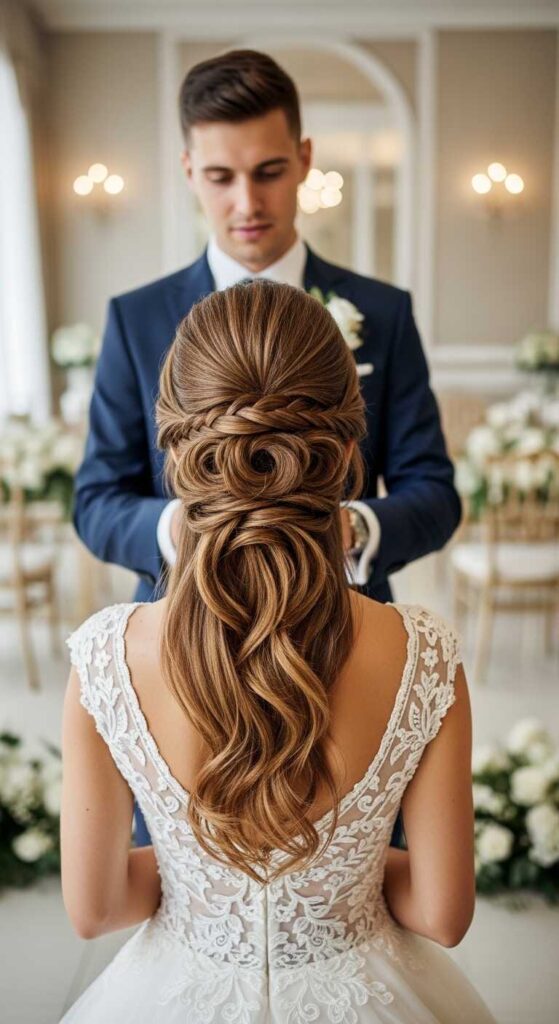
Long hair provides a structural foundation that allows hairstylists to sculpt, mold, and shape with flexibility. The length creates volume potential, balance, and layering opportunities that shorter hair cannot replicate.
From a design perspective, long strands allow the distribution of visual weight. For example, a gown with a dramatic train can be balanced with cascading waves, while a heavily embellished neckline may require the structure of an updo to avoid visual overcrowding.
Hair length also supports architectural styling techniques. Twists, braids, coils, and layered curls require strand length for stability. The greater the length, the more room there is to manipulate shape and proportion. This adaptability makes wedding hairstyles for long hair particularly valuable in achieving both minimalistic and elaborate bridal visions.
The Theory of Balance Between Hairstyle and Wedding Dress
Bridal aesthetics operate on the principle of harmony. A wedding hairstyle should not compete with the gown but instead complement it. In design theory, balance refers to distributing visual elements in a way that feels stable and pleasing to the eye.
When a dress features intricate back detailing, an updo allows those design elements to shine. Conversely, a minimalist gown can be enhanced by voluminous waves that add texture and interest. Neckline shapes also influence hair decisions. High necklines benefit from lifted hair to elongate the silhouette, while strapless gowns pair beautifully with soft curls that frame the shoulders.
This interplay between hair and dress creates a unified aesthetic identity. Without balance, the overall look can feel fragmented or overwhelming.
Read More About: Baby Boy Hairstyles The Ultimate Guide to Cute, Trendy, and Practical Looks
Facial Framing Theory in Wedding Hairstyles for Long Hair
Facial framing is one of the most significant technical considerations in bridal hairstyling. The face is the emotional center of wedding photography, and the hairstyle must enhance natural features rather than obscure them.
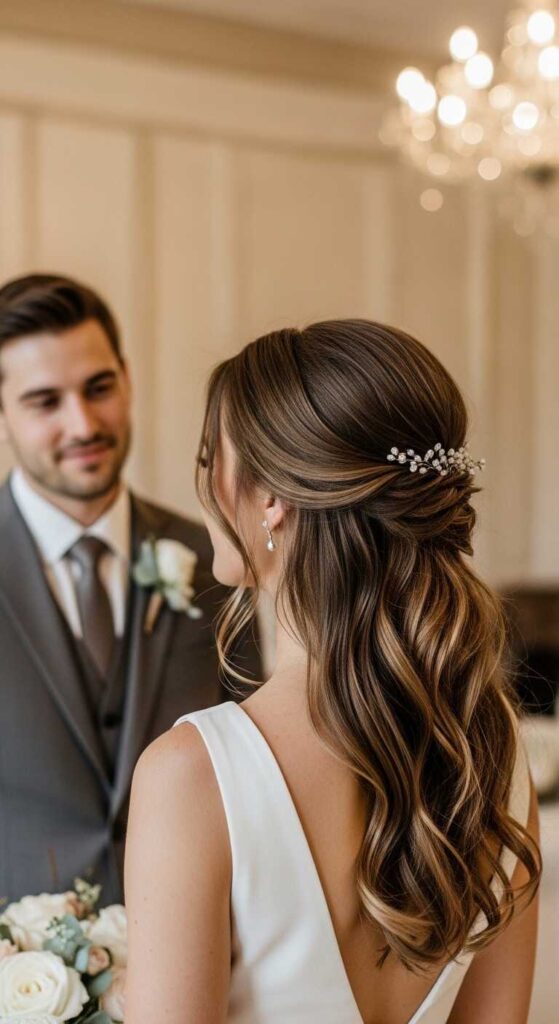
Long hair offers the opportunity to shape the perimeter around the face. Soft tendrils can reduce harsh angles, while sleek styling can emphasize bone structure. The theory of proportion applies here hairstyles can visually lengthen, soften, narrow, or widen facial features.
For instance, height at the crown elongates rounder face shapes, while soft waves balance angular jawlines. The objective is not to alter identity but to enhance natural symmetry. A well-balanced hairstyle directs attention toward the bride’s eyes and smile, which are central to emotional expression throughout the ceremony.
The Romantic Theory of Loose Bridal Hairstyles
Loose wedding hairstyles for long hair are rooted in romantic aesthetics. Romantic design is characterized by softness, movement, and natural flow. Curls and waves introduce organic texture that mirrors themes of love and tenderness.
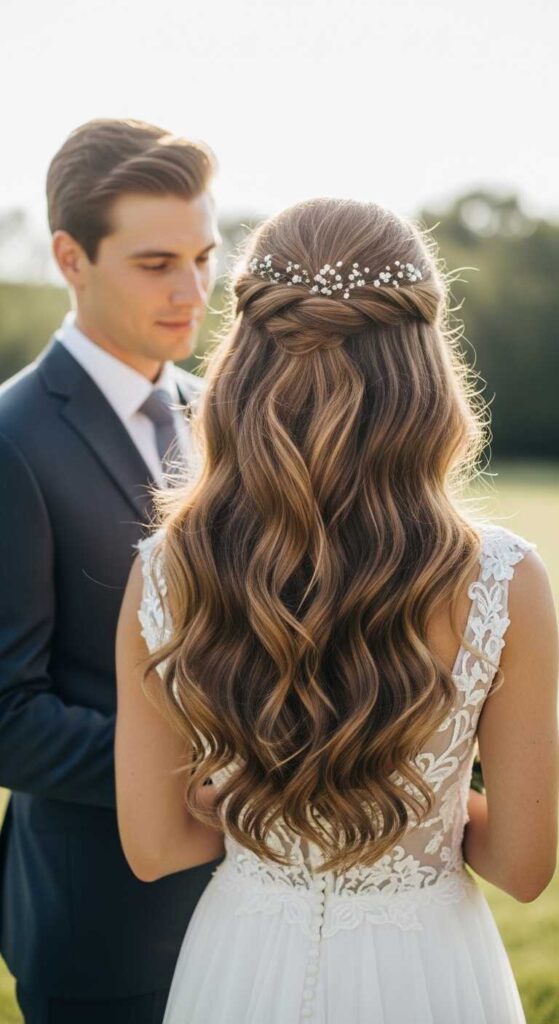
Movement is essential in this theory. Hair that flows gently with wind or motion creates dynamic photography and an ethereal presence. This style resonates particularly well in outdoor weddings, where environmental elements like sunlight and breeze interact beautifully with flowing strands.
The romantic hairstyle symbolizes openness and emotional vulnerability, making it especially appealing for brides who want a natural and heartfelt appearance.
The Architectural Theory of Bridal Updos
In contrast to romantic looseness, updos reflect architectural structure. Architectural styling emphasizes clean lines, stability, and sculptural shape.
When hair is lifted and secured, it creates vertical emphasis, drawing the eye upward. This technique lengthens the neck and highlights collarbones and shoulders. Updos often align with formal ceremonies where elegance and tradition are central themes.
The structure of an updo also contributes to longevity. From a technical standpoint, hair secured close to the scalp maintains its integrity for extended periods, resisting humidity and movement. Thus, architectural styling combines both aesthetic refinement and functional reliability.
The Role of Texture in Wedding Hairstyles for Long Hair
Texture influences perception. Smooth textures communicate sophistication and control, while textured finishes convey softness and modernity.
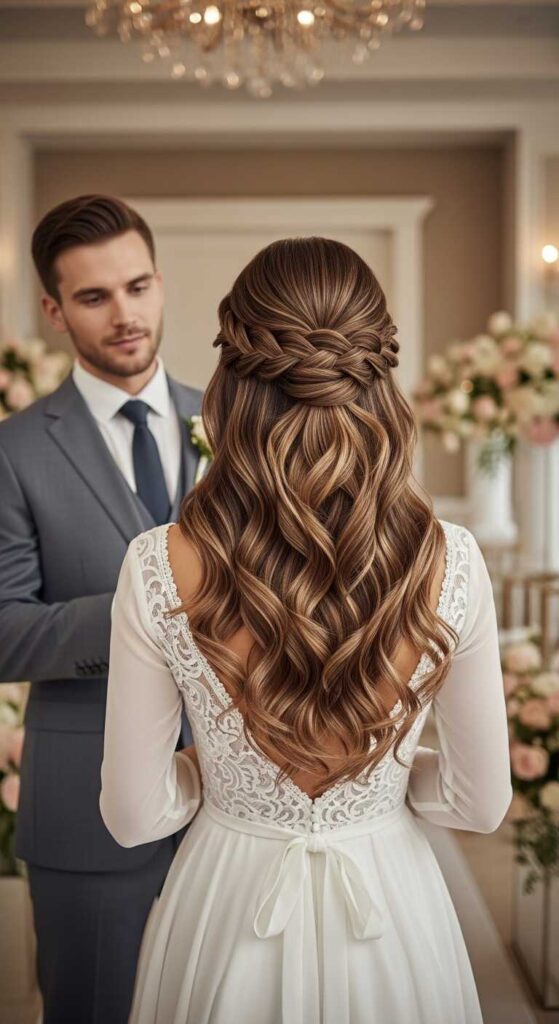
Long hair provides an expansive canvas for textural contrast. A sleek crown paired with textured ends creates depth. Braids woven into smooth hair introduce dimension. Texture also affects how light interacts with hair; glossy surfaces reflect brightness, while matte finishes diffuse it.
The theoretical goal of texture is to prevent flatness. Even minimalist styles benefit from subtle movement that keeps the look visually engaging from multiple angles.
The Influence of Cultural Traditions on Bridal Hair
Across the world, long hair has ceremonial importance in wedding rituals. Cultural theory shows that bridal hair often reflects ancestry and symbolic meanings tied to purity, prosperity, or unity.
In some traditions, braids symbolize strength and interconnectedness. In others, veiling signifies modesty and reverence. Long hair allows these traditions to be expressed with richness and authenticity.
Modern brides often blend cultural elements with contemporary styling, creating a fusion that honors heritage while embracing individuality. This blend reflects evolving societal values where tradition and modern expression coexist harmoniously.
The Psychology of Confidence and Bridal Hair
Confidence is not merely a visual outcome; it is a psychological state influenced by self-perception. When brides choose wedding hairstyles for long hair that align with their personality, they experience increased self-assurance.
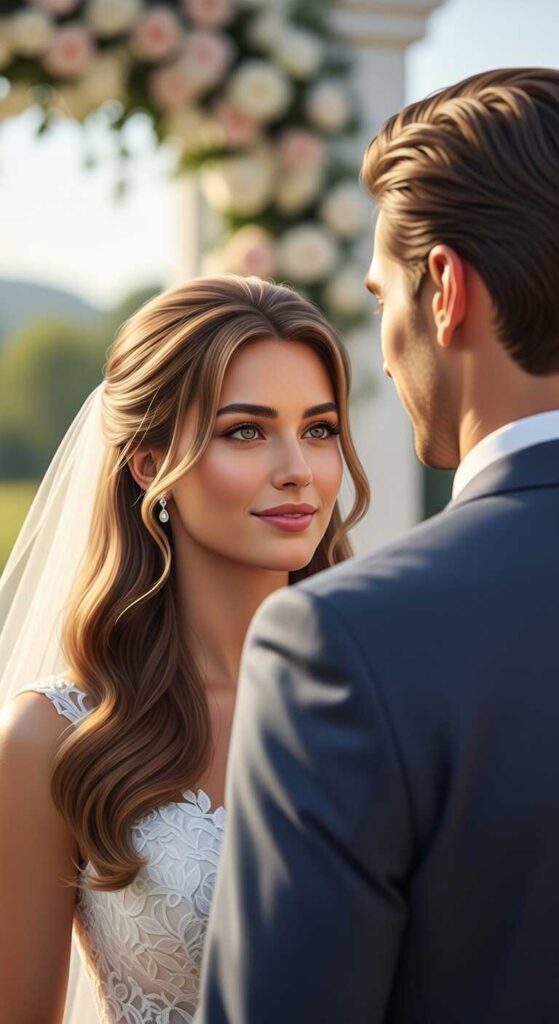
Hair contributes to identity. Some brides feel empowered by sleek sophistication, while others feel most authentic with soft waves. The theory of self-congruence explains that people experience comfort and confidence when external appearance matches internal identity.
On a wedding day, this harmony is essential. The hairstyle should not feel like a costume but like an elevated version of everyday self-expression.
The Functionality Theory of Long Bridal Hairstyles
While aesthetics dominate planning conversations, functionality remains critical. Wedding days are long, emotional, and physically active. Hairstyles must endure hugs, dancing, climate changes, and hours of photography.
Long hair allows secure anchoring of pins, combs, and extensions, enhancing durability. However, weight distribution must be considered to avoid discomfort. A well-executed bridal style balances beauty with wearability.
Functional design ensures the bride remains comfortable and carefree, preventing distractions that could detract from the joy of the celebration.
Seasonal Adaptation in Wedding Hairstyles for Long Hair
Seasonal theory in bridal styling considers environmental impact. Climate affects hair texture, volume retention, and structural stability.
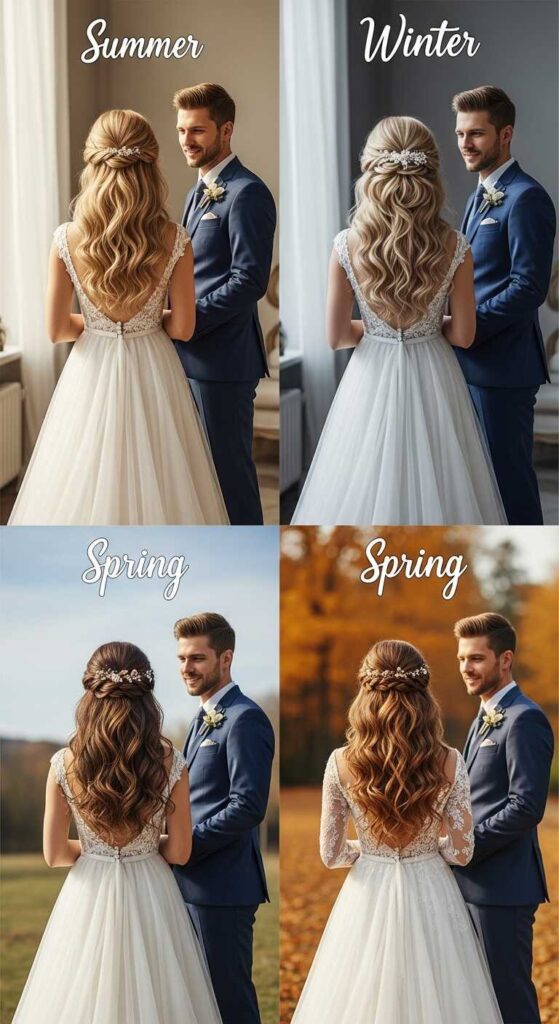
In warmer months, humidity-resistant updos reduce frizz and overheating. In cooler seasons, loose styles complement layered gowns and indoor venues. Seasonal lighting also affects appearance; summer sunlight enhances shine, while winter settings may benefit from richer tones and fuller shapes.
Adapting hairstyle choices to seasonal conditions ensures both visual harmony and practical success.
The Evolution of Modern Bridal Hair Trends
Wedding hairstyles for long hair continuously evolve alongside fashion trends. Contemporary brides increasingly embrace individuality over strict tradition.
Minimalist ponytails, textured braids, and natural curls reflect a shift toward authenticity. Social media and celebrity influence accelerate trend cycles, encouraging experimentation while still honoring timeless elegance.
The evolution demonstrates how bridal hair is no longer confined to rigid rules. Instead, it is a dynamic art form influenced by culture, technology, and personal storytelling.
Read More About: Short Curly Hairstyles The Ultimate Guide to Bold Texture, Shape, and Confidence
FAQs
What are the most timeless wedding hairstyles for long hair?
Timeless wedding hairstyles for long hair are those rooted in balance, softness, and structured elegance. Classic low buns, romantic loose curls, half-up half-down styles, and refined chignons remain enduring because they align with principles of proportion and harmony. These styles photograph beautifully across decades and complement a wide range of gown silhouettes. Their longevity comes from simplicity combined with subtle detail, rather than trend-driven exaggeration.
How do I choose the right wedding hairstyle for my face shape?
Choosing the right bridal hairstyle begins with understanding facial proportions. The theory of visual balance suggests that hairstyles should enhance natural symmetry rather than overpower it. For example, height at the crown can elongate rounder face shapes, while soft waves help soften angular jawlines. Long hair provides flexibility in shaping and contouring around the face, allowing stylists to adjust volume, parting, and framing pieces to create a harmonious look.
Should I wear my long hair up or down for my wedding?
The decision between wearing your hair up or down depends on aesthetic preference, dress design, climate, and comfort. Wearing hair down emphasizes romantic movement and softness, especially in outdoor or bohemian settings. Updos, on the other hand, provide structure, durability, and an elegant silhouette that highlights necklines and back details. The ideal choice balances personal identity with practicality, ensuring you feel both confident and comfortable throughout the day.
How far in advance should I schedule a wedding hair trial?
A bridal hair trial is ideally scheduled two to three months before the wedding. This timeframe allows room for refinement without creating unnecessary stress. The purpose of the trial is not only to test the look but also to evaluate comfort, longevity, and accessory placement. It provides an opportunity to assess how the hairstyle complements your gown and makeup while ensuring it aligns with your personal style.
Are hair extensions recommended for wedding hairstyles for long hair?
Even brides with naturally long hair may benefit from extensions for added volume and fullness. Extensions enhance structural integrity, especially for intricate braids, voluminous waves, or dramatic updos. The goal is not always additional length but balanced density, ensuring the hairstyle appears polished and proportional in photographs. When professionally matched and applied, extensions blend seamlessly and elevate the final result.
How can I make sure my bridal hairstyle lasts all day?
Longevity in wedding hairstyles for long hair depends on preparation, product selection, and structural technique. Healthy, well-conditioned hair provides a stable base for styling. Professional-grade products such as heat protectants, setting sprays, and humidity-resistant finishes increase durability. Additionally, strategic pin placement and balanced weight distribution help maintain the shape from ceremony to reception. Proper preparation ensures the style remains intact without appearing stiff or overly sprayed.
What wedding hairstyles work best with a veil?
Hairstyles that provide secure anchor points are ideal for veils. Low buns, half-up styles, and softly structured updos allow veils to be attached comfortably without disrupting the overall look. The placement of the veil whether above or below the hairstyle affects silhouette and proportion. Testing veil placement during a trial ensures seamless integration between hair and accessory.
How should I prepare my long hair months before the wedding?
Preparation should begin at least six months in advance. Regular trims maintain healthy ends, while deep conditioning treatments strengthen and enhance shine. Avoid drastic chemical changes close to the wedding date to prevent unexpected texture or color results. A consistent care routine ensures that hair remains strong, manageable, and responsive to styling techniques on the wedding day.
Can I wear my natural curls on my wedding day?
Absolutely. Embracing natural curls aligns with modern bridal trends that celebrate authenticity. Curly wedding hairstyles for long hair create volume, personality, and romantic texture. Proper hydration and curl-defining products enhance definition while reducing frizz. A stylist experienced in textured hair can shape curls into structured updos or flowing styles that maintain natural movement without sacrificing elegance.
How do seasonal conditions affect wedding hairstyles for long hair?
Climate plays a significant role in hairstyle performance. In humid environments, structured updos tend to hold better, while lightweight waves may require anti-frizz support. In cooler climates, flowing styles can complement layered gowns and indoor venues. Understanding seasonal factors allows brides to choose a hairstyle that balances beauty with environmental practicality.
Conclusion
Wedding hairstyles for long hair represent the intersection of design, psychology, culture, and personal identity. Each style carries symbolic meaning and structural intention. From romantic waves to sculpted updos, the choice is not merely about appearance but about expressing emotion, heritage, and individuality.
The perfect bridal hairstyle harmonizes with the gown, enhances facial features, withstands the environment, and most importantly, resonates with the bride’s inner self. When these elements align, the result is more than a beautiful look it is a visual embodiment of love, confidence, and timeless elegance.


