
Mullet Hairstyle for Men The Ultimate Guide to Modern and Classic Looks
The mullet hairstyle for men has experienced a major resurgence in recent years, transforming from its 1980s reputation into a bold, modern, and versatile statement. Characterized by short hair on the front and sides and long hair at the back, the mullet has evolved to suit various tastes, lifestyles, and face shapes. In this comprehensive guide, we’ll explore the history, variations, styling tips, maintenance, and reasons why the mullet is more than just a retro haircut it’s a symbol of individuality.
History of the Mullet Hairstyle for Men
The mullet isn’t just a hairstyle; it’s a cultural phenomenon. Its origins can be traced back centuries, but the modern mullet gained prominence in the 1970s and 1980s. Rock stars, actors, and athletes popularized it, making it synonymous with rebellion, confidence, and nonconformity.
- 1970s: Musicians like David Bowie and Paul McCartney experimented with long and short hair combinations, paving the way for the modern mullet.
- 1980s: The mullet reached mainstream popularity, worn by celebrities such as Billy Ray Cyrus and Patrick Swayze.
- 1990s: Its popularity declined, often stigmatized as a “dated” or “uncool” haircut.
- 2020s: Fashion cycles revived the mullet, blending vintage appeal with contemporary trends, and now it’s embraced by men seeking edgy, stylish looks.
Characteristics of the Mullet Hairstyle
The defining trait of a mullet is its contrast between the front and back. Traditionally, the front and sides are cropped short while the back remains long. Modern variations offer more versatility:
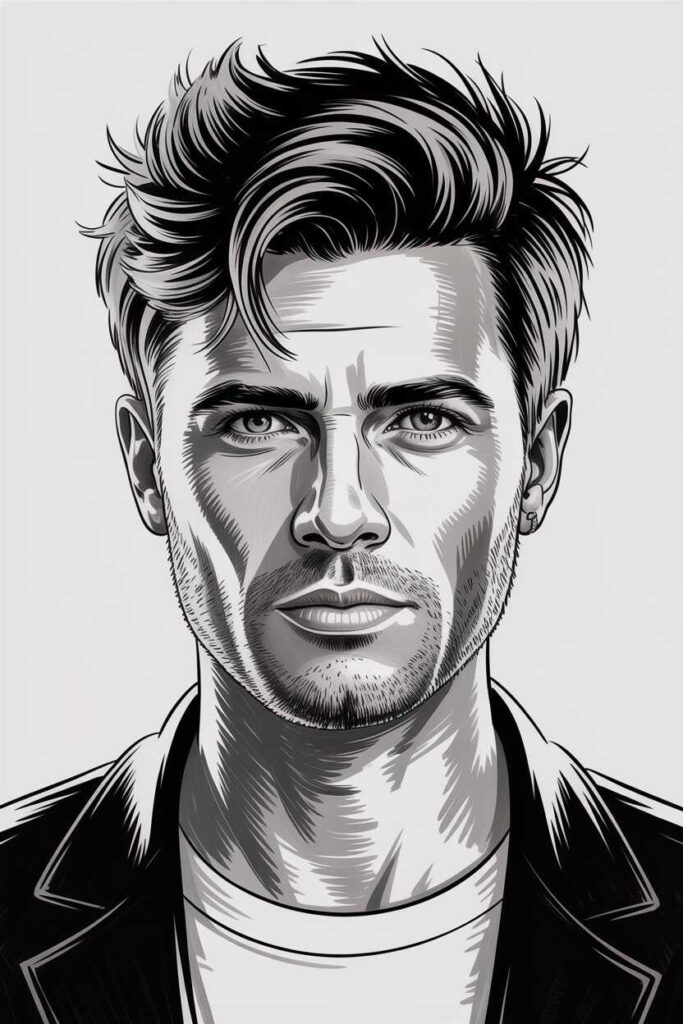
Classic Mullet: Short on top and sides, long at the back, reflecting the 80s aesthetic.
Modern Mullet: Often textured, layered, and styled with fade or undercut variations.
Shaggy Mullet: Messy, voluminous layers creating a carefree, rock-inspired look.
Textured Mullet: Adds movement and dimension to the hair with layered cuts and styling products.
Popular Mullet Hairstyle Variations for Men
Mullet hairstyles have evolved beyond the stereotypical look. Here are some popular modern variations:
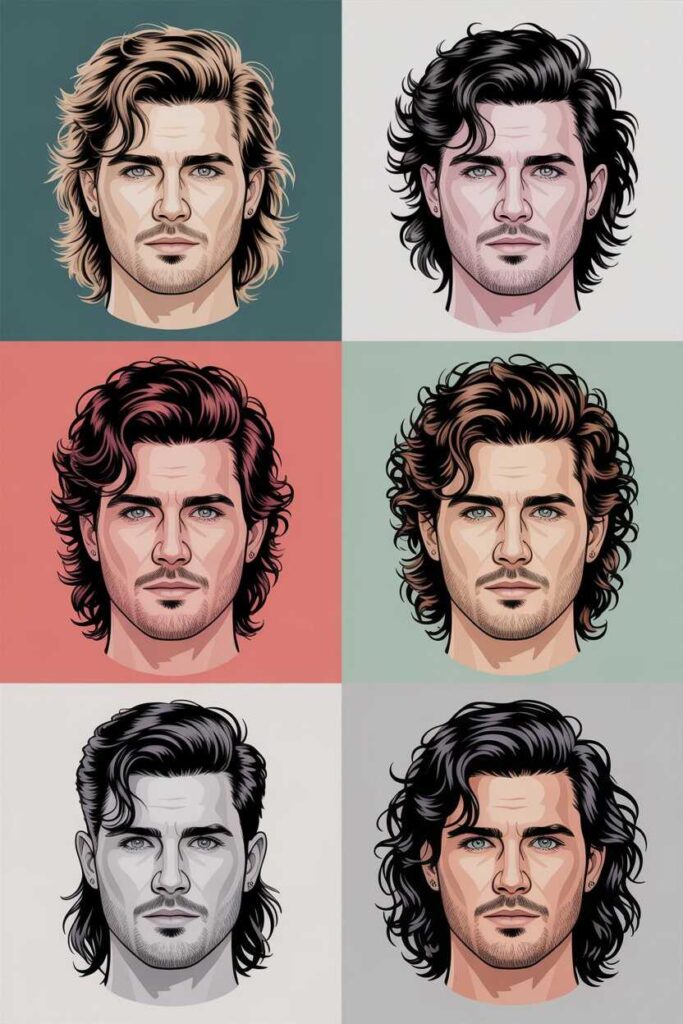
Fade Mullet
This style combines a classic mullet with a fade on the sides, giving a contemporary, clean appearance. The fade can be low, mid, or high, depending on your preference. It’s perfect for men who want an edgy, modern look.
Shaggy Mullet
Ideal for those who enjoy a carefree and voluminous style, the shaggy mullet emphasizes layers and texture. This variation works particularly well with wavy or curly hair.
Curly Mullet
Men with natural curls can embrace the mullet while keeping their curls prominent. A curly mullet adds personality and dimension, and works beautifully with short sides for contrast.
Undercut Mullet
The undercut mullet features dramatically shaved sides and a longer back. It’s a bold, high-fashion statement that suits adventurous individuals.
Business-Friendly Mullet
Modern mullets can be styled subtly for professional settings. Keeping the top and sides neat while maintaining some length at the back allows you to rock a mullet without compromising professionalism.
Choosing the Right Mullet Based on Face Shape
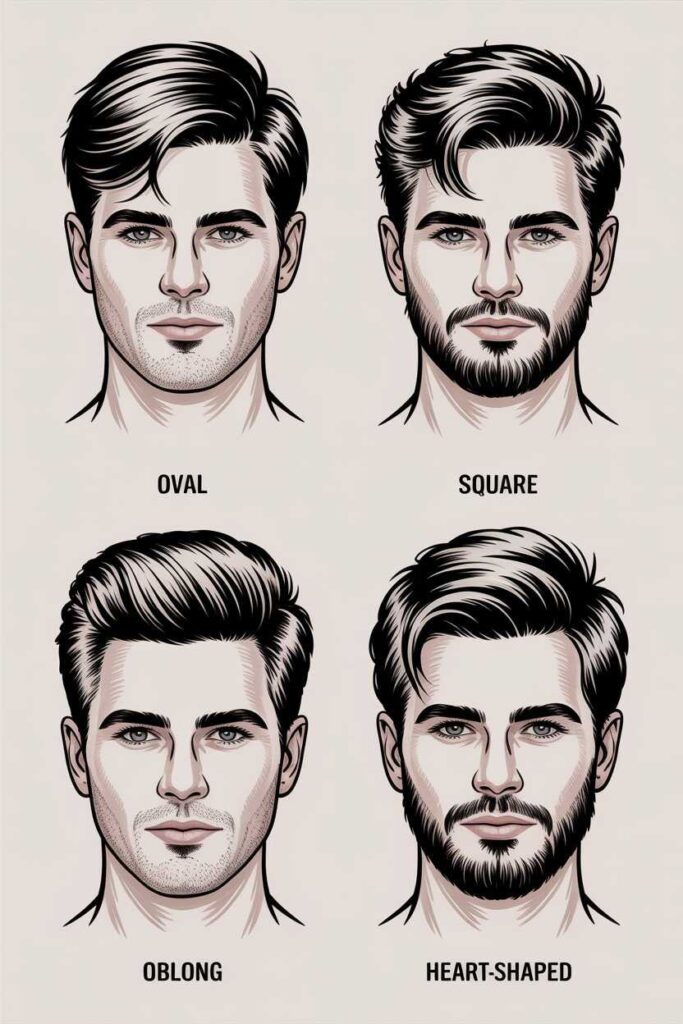
Face shape plays a crucial role in determining which mullet style will suit you best. Here’s a breakdown:
Oval Face
An oval face is versatile and works well with most mullet styles. A shaggy or textured mullet can enhance natural symmetry.
Round Face
For round faces, consider a mullet with height at the crown and short sides to elongate the face. Avoid excessive volume on the sides.
Square Face
Square faces benefit from layered mullets that soften the jawline. Slightly longer hair in front can balance sharp facial features.
Oblong/Rectangular Face
A mullet with fullness on the sides can prevent the face from appearing too long. Avoid overly long back hair that accentuates length.
Heart-Shaped Face
Heart-shaped faces pair well with mullets that have volume at the back and longer side layers to balance a narrower chin.
Mullet Hairstyles for Different Hair Types
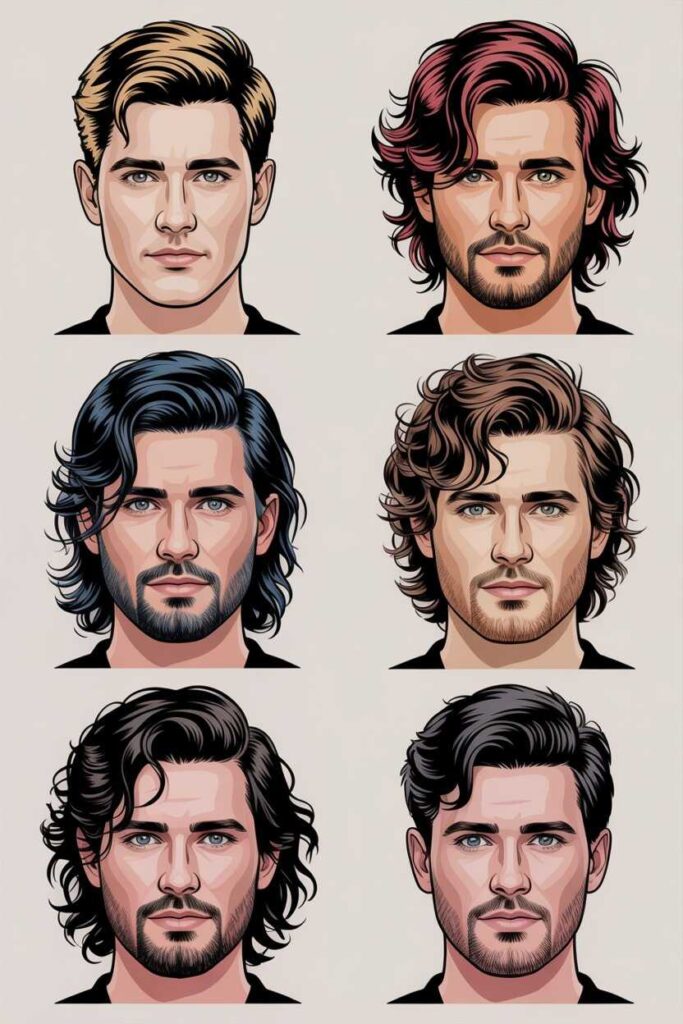
Hair texture and thickness significantly impact the appearance of a mullet. Here’s how to approach different hair types:
Straight Hair
Straight hair can be styled sleek or textured. Layering and texturizing help avoid a flat, lifeless look.
Wavy Hair
Wavy hair naturally complements mullets, adding volume and movement. A layered cut accentuates the hair’s natural flow.
Curly Hair
Curly mullets are bold and dynamic. Keeping the sides short and back layered allows curls to shine without overwhelming the face.
Thick Hair
Thick hair benefits from thinning and texturizing to manage bulk. A thick mullet can look powerful and edgy if properly maintained.
Thin Hair
Men with thin hair should consider shorter layers and subtle texturing to create an illusion of volume. Avoid very long back hair, which can make hair appear sparse.
Styling the Mullet Hairstyle
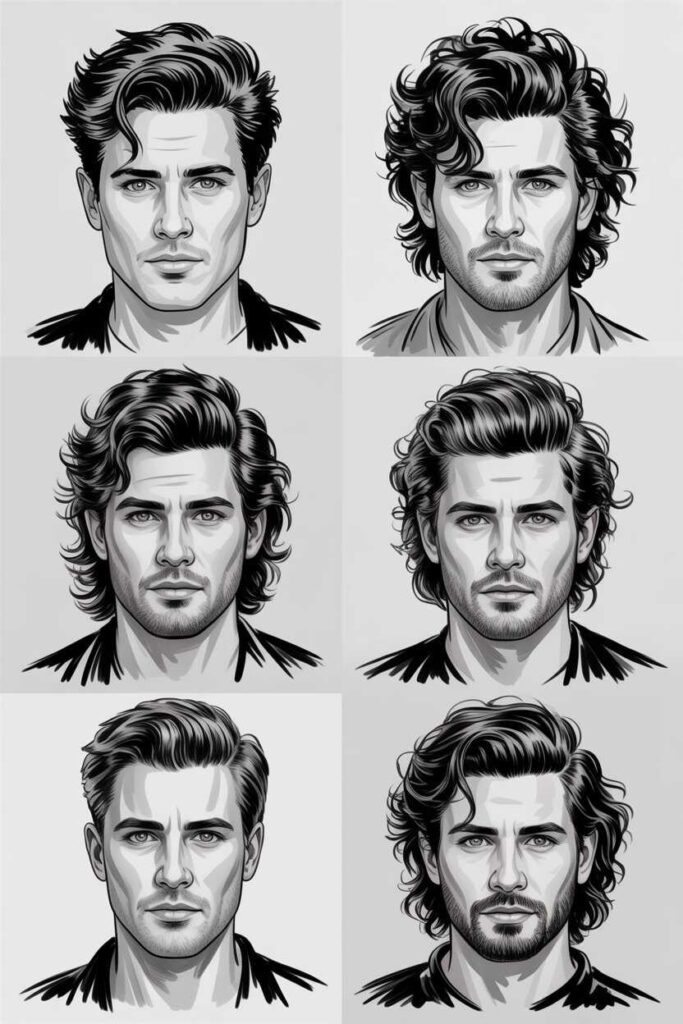
Styling a mullet allows for versatility, from sleek and polished to messy and carefree. Here are some tips:
Classic Slick-Back
Use pomade or gel to slick back the top for a polished, retro look.
Textured and Messy
Apply a matte styling cream to the back and top to create a casual, tousled effect.
Curly and Natural
Enhance natural curls with curl-enhancing creams or mousse. Avoid over-combing to maintain texture.
Blow-Dried Volume
Use a blow dryer to lift the crown for added height and dimension.
Parting Options
Experiment with side or middle parts for different effects. A middle part works well for a modern, fashion-forward mullet.
Read More About: Long Hairstyles for Men The Ultimate Guide to Style, Confidence, and Grooming
Maintenance Tips for the Mullet
Maintaining a mullet requires care, especially if you want it to look modern and fresh:
Regular Trims: Trim sides and back every 4–6 weeks to maintain shape.
Use Quality Hair Products: Pomades, texturizing creams, and conditioners enhance style and manageability.
Shampoo and Condition: Keep hair healthy, especially the longer back section, with proper washing and conditioning.
Avoid Over-Styling: Give hair breaks from heat styling to prevent damage.
Consult Your Barber: A skilled barber can customize your mullet for your face shape and hair type.
Mullet Hairstyles and Fashion
A mullet hairstyle is not just about hair it’s a fashion statement. Pairing your mullet with the right wardrobe enhances the overall style:
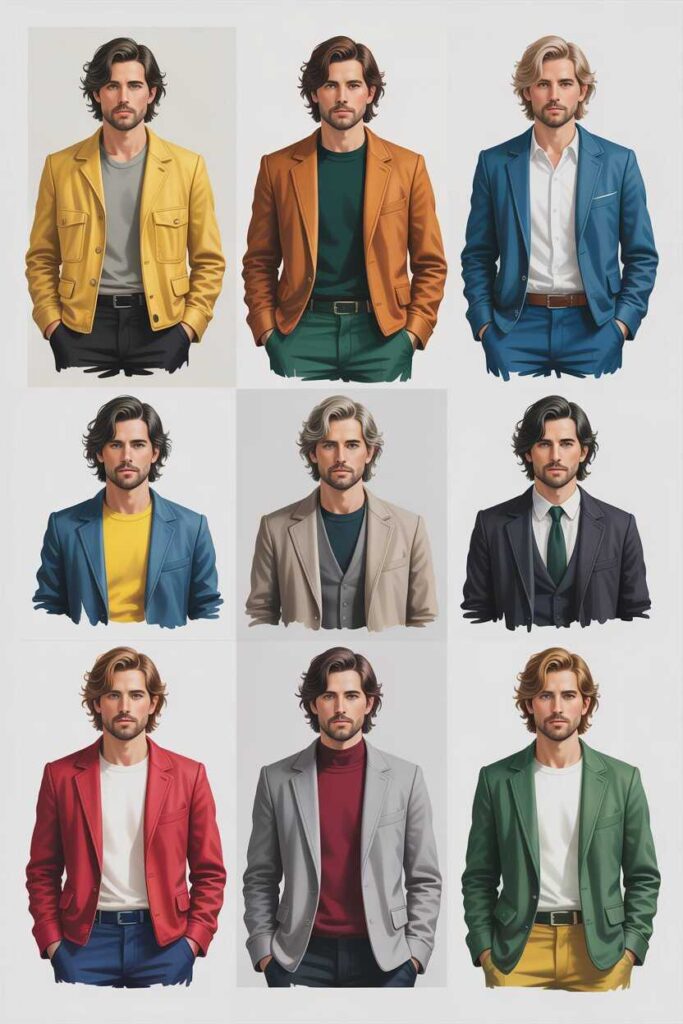
Casual Wear: T-shirts, jeans, and sneakers complement a relaxed mullet look.
Edgy Streetwear: Leather jackets, distressed denim, and boots align with a bold, modern mullet.
Formal Looks: Tidy the top and sides for office settings, keeping the back subtle.
Accessorizing with hats, sunglasses, and hairbands can also enhance your style without overpowering the haircut.
Celebrities Who Rock the Mullet
The mullet has been embraced by many celebrities, giving it a modern edge:
David Beckham: Known for experimenting with mullets during his soccer career.
Miley Cyrus (for inspiration): Popularized the gender-fluid mullet revival.
Joe Exotic: Known for a bold, longer mullet style.
Billy Ray Cyrus: Iconic 1980s mullet that defined a generation.
Modern Influencers: Social media stars and fashion icons are adopting mullets with undercuts and fades, blending retro and contemporary aesthetics.
Benefits of Choosing a Mullet Hairstyle
Versatility: The mullet can be styled in various ways, from professional to casual.
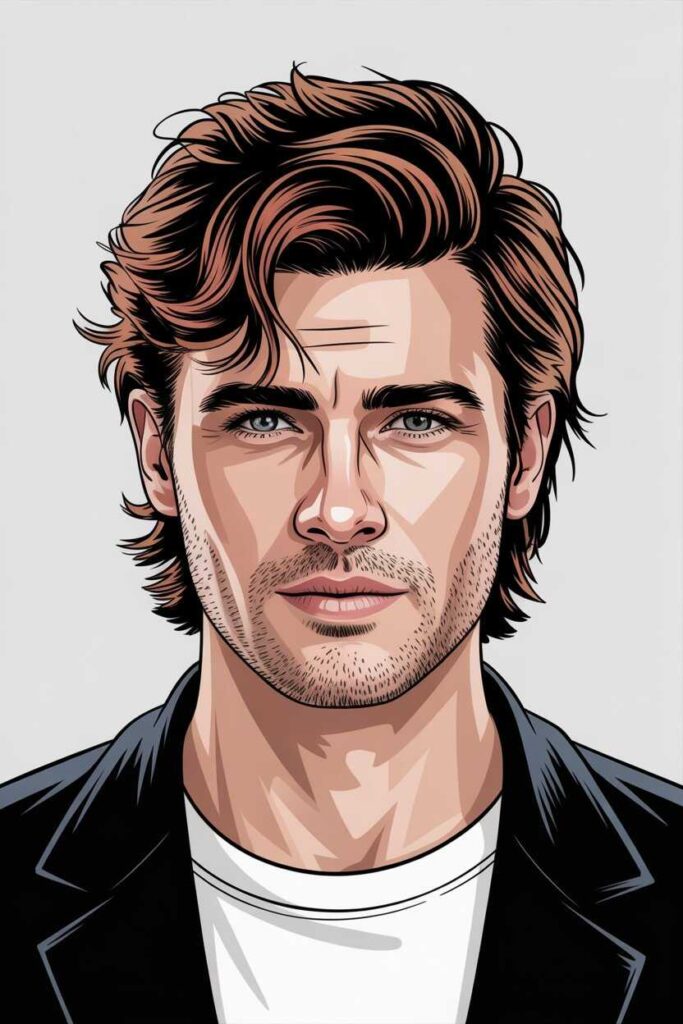
Low Maintenance (on sides): Short sides are easy to manage.
Expresses Individuality: It’s a bold choice that shows confidence and creativity.
Works With Different Hair Types: Adaptable for straight, wavy, or curly hair.
Fashion-Forward: A well-styled mullet is trendy and makes a strong style statement.
Common Mistakes to Avoid with Mullet Hairstyles
Neglecting Regular Trims: Long back hair can look unkempt without maintenance.
Ignoring Hair Texture: Not all mullets suit every hair type; consult a barber.
Over-Styling: Excessive gel or heat can damage hair and make the style appear stiff.
Choosing Wrong Lengths: Imbalanced lengths can make the haircut look awkward.
Not Considering Face Shape: A mullet that clashes with your face shape may not be flattering.
Modern Mullet Trends
Modern mullets blend nostalgia with contemporary styling:
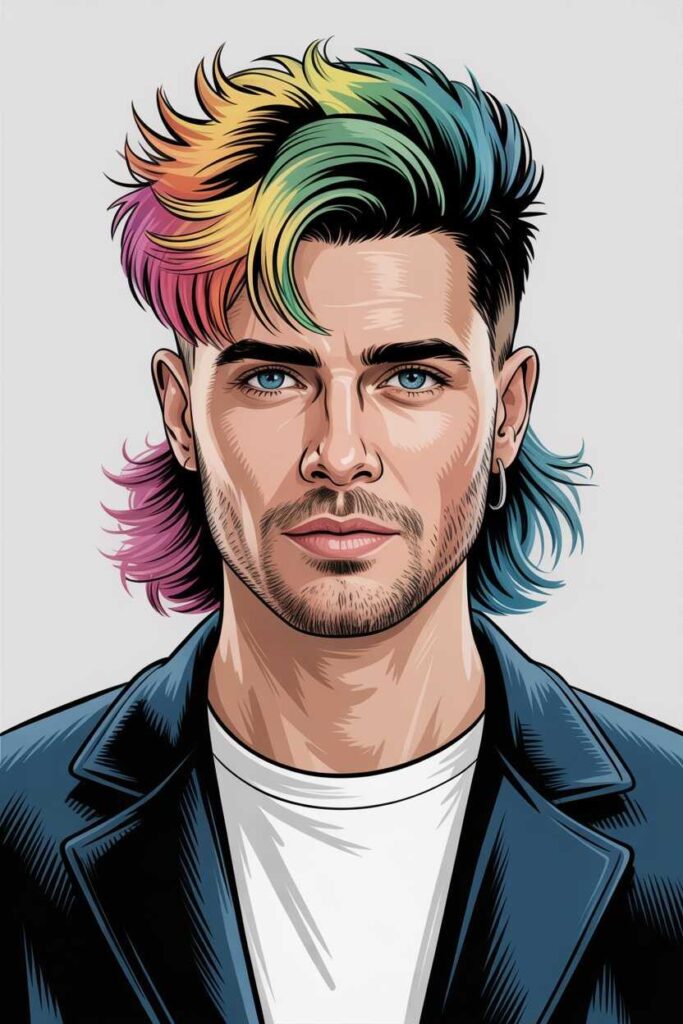
Fade Mullet: Combines edgy fades with long back hair.
Textured Layers: Adds movement and dimension.
Asymmetrical Mullets: Uneven cuts for a fashion-forward look.
Color Variations: Highlights, balayage, and bold colors make the mullet stand out.
These trends ensure the mullet remains relevant, stylish, and adaptable for men of all ages.
How to Communicate Your Desired Mullet to Your Barber
To get the perfect mullet:
Bring References: Photos of your desired style help convey expectations.
Specify Lengths: Clearly mention how short the sides and how long the back should be.
Discuss Hair Type: Inform your barber about your hair texture for appropriate layering.
Mention Maintenance Preferences: If you prefer low-maintenance styles, let your barber know.
Ask for Styling Tips: Your barber can suggest products and techniques for daily styling.
Read More About: Haircut Designs for Men Elevate Your Style with Precision and Creativity
FAQs
What is a mullet hairstyle for men?
A mullet is a haircut characterized by short hair on the front and sides and longer hair at the back. It combines retro and modern styles and can be adapted to suit different face shapes and hair types.
Does the mullet suit all face shapes?
Yes, with the right variation. Oval faces can pull off most mullets, round faces benefit from height on top, square faces look great with layers, oblong faces need side volume, and heart-shaped faces can balance a narrow chin with longer side layers.
Can men with curly hair have a mullet?
Absolutely. Curly mullets are bold and stylish. Keeping the sides short while layering the back allows curls to shine without overwhelming your face.
How do I maintain a mullet hairstyle?
Regular trims every 4–6 weeks, using quality hair products, proper washing and conditioning, and consulting your barber for styling tips are key to keeping a mullet looking fresh and stylish.
Is the mullet suitable for professional or formal settings?
Yes, modern mullets can be styled neatly for professional settings. Keeping the top and sides tidy while managing the back length allows you to maintain a polished look without sacrificing style.
How long should the back of a mullet be?
Back length depends on personal preference and face shape. It can range from just below the collar to mid-back. Longer hair creates a bold statement, while shorter back lengths are more subtle and low-maintenance.
Can I combine a mullet with other hairstyles?
Yes, modern mullets often incorporate fades, undercuts, or textured layers. This makes them versatile and adaptable to both casual and edgy fashion styles.
What products are best for styling a mullet?
Pomades, texturizing creams, matte clay, and curl-enhancing creams work well depending on the hair type. Use products to add texture, volume, or hold without making the hair stiff.
Is the mullet only for young men?
No. The mullet is suitable for men of all ages. Choosing a style and length that complements your face shape and lifestyle ensures it looks stylish and age-appropriate.
How can I communicate my ideal mullet to a barber?
Bring reference photos, specify side and back lengths, discuss hair texture, mention your maintenance preference, and ask for styling advice. Clear communication helps your barber deliver the perfect cut.
Conclusion
The mullet hairstyle for men has transcended its retro reputation to become a symbol of individuality, versatility, and modern fashion. From the classic 1980s look to contemporary fades, textured layers, and curly variations, the mullet offers something for every face shape and hair type. With proper maintenance, styling, and confidence, men can turn this bold haircut into a powerful statement.
Whether you’re aiming for a business-friendly version, an edgy street-style look, or a shaggy rock-inspired vibe, the mullet is a haircut that proves bold choices can be timeless. Embrace it, personalize it, and let your mullet reflect your unique personality.


