

Men Clothing Styles The Ultimate Guide to Modern Fashion and Personal Expression
Men clothing styles have evolved dramatically over the decades, blending tradition with innovation to create a diverse landscape of fashion choices. Today, men are no longer limited to a few rigid dress codes. Instead, modern fashion celebrates individuality, comfort, and versatility. From timeless formal wear to relaxed street fashion, understanding men clothing styles helps you build a wardrobe that reflects your personality and suits every occasion.
This ultimate guide explores the most influential men clothing styles, their defining features, and how to wear them confidently.
Why Understanding Men Clothing Styles Matters
Clothing is more than just fabric it’s a visual language. The way a man dresses communicates confidence, professionalism, creativity, and lifestyle. Knowing different men clothing styles allows you to:
- Dress appropriately for various occasions
- Express your personality and taste
- Build a versatile wardrobe
- Enhance confidence and first impressions
- Adapt to changing trends without losing identity
Fashion icons and designers like Giorgio Armani have long emphasized that style is about balance combining elegance with comfort and authenticity.
Classic Formal Style
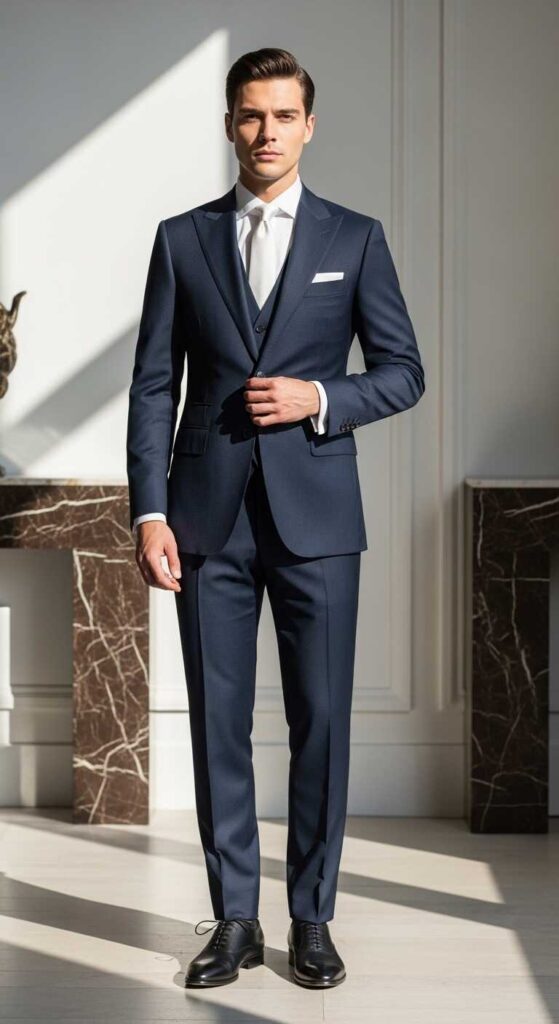
Classic formal style is the foundation of men’s fashion. It represents sophistication, professionalism, and timeless appeal. This style is commonly associated with business settings, weddings, and upscale events.
Key Elements
Classic formal style includes:
- Tailored suits
- Dress shirts
- Ties and bow ties
- Leather dress shoes
- Minimal accessories
The emphasis is on clean lines, neutral colors, and high-quality fabrics. Fit is crucial well-tailored clothing enhances posture and creates a sharp silhouette.
How to Wear It
Choose navy, black, or charcoal suits for versatility. Pair them with crisp white or light blue shirts. Accessories should remain understated. Think polished leather shoes and a classic watch.
The refined aesthetic popularized by brands like Ralph Lauren continues to define modern formal menswear.
Business Casual Style
Business casual bridges the gap between formal and relaxed attire. It is ideal for modern workplaces that encourage professionalism without strict dress codes.
Key Elements
Business casual typically includes:
- Blazers or sport coats
- Chinos or tailored trousers
- Button-down shirts or polos
- Loafers or derby shoes
This style allows more flexibility in colors and patterns while maintaining a polished appearance.
How to Wear It
Combine neutral trousers with textured blazers. Experiment with subtle patterns and layered outfits. A smart blazer over a fitted shirt instantly elevates your look.
Business casual emphasizes smart layering and refined simplicity.
Casual Everyday Style
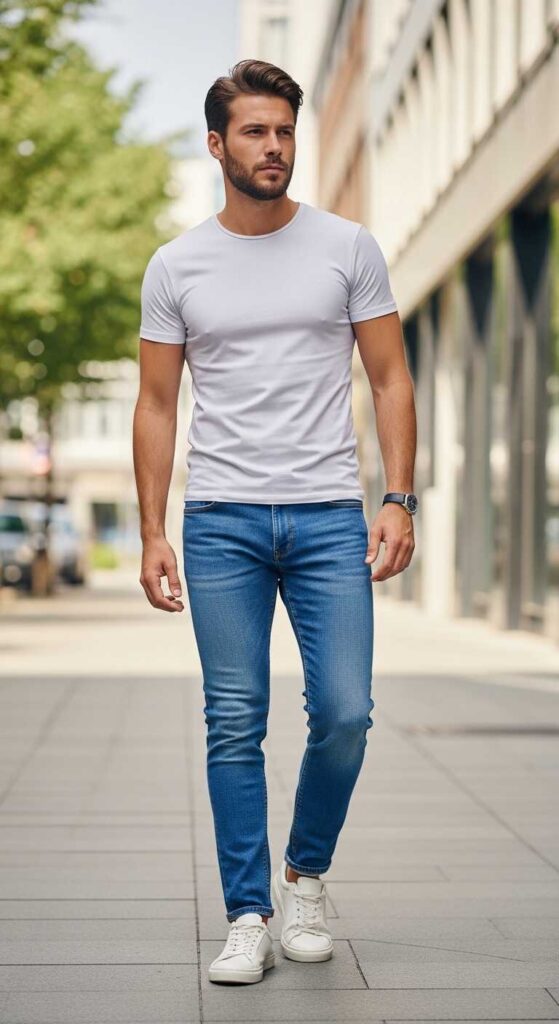
Casual everyday style prioritizes comfort without sacrificing appearance. It is the most versatile and widely adopted men clothing style.
Key Elements
Casual style includes:
- T-shirts and henleys
- Jeans and joggers
- Sneakers
- Casual jackets and hoodies
The focus is on relaxed fits and breathable fabrics.
How to Wear It
Stick to well-fitting basics. Avoid overly baggy clothing. Neutral tones mixed with occasional bold colors create visual interest. Clean sneakers and structured outerwear help maintain a neat appearance.
Casual style proves that simplicity can still look stylish and intentional.
Streetwear Style
Streetwear is a bold, youth-driven fashion movement rooted in urban culture. It blends comfort with expressive design.
Key Elements
Streetwear commonly features:
- Oversized hoodies and graphic tees
- Sneakers
- Cargo pants
- Caps and statement accessories
Influenced by music and pop culture, streetwear embraces individuality.
Characters like James Bond may represent classic elegance, but streetwear represents modern rebellion and creativity.
How to Wear It
Balance oversized pieces with fitted elements. Layer creatively and choose standout sneakers as focal points. Confidence is essential streetwear thrives on attitude.
Smart Casual Style
Smart casual is a refined version of casual wear. It blends relaxed comfort with polished sophistication.
Key Elements
Smart casual outfits often include:
- Tailored jeans or chinos
- Blazers or knit sweaters
- Clean sneakers or loafers
- Collared shirts
This style is ideal for social gatherings and semi-formal occasions.
How to Wear It
Pair a structured blazer with dark denim. Choose neutral tones and high-quality fabrics. Smart casual thrives on balance never too formal or too relaxed.
Minimalist Style
Minimalist style focuses on simplicity, clean lines, and neutral palettes. It eliminates unnecessary details to create sleek, modern looks.
Key Elements
Minimalist wardrobes feature:
- Neutral colors (black, white, gray, beige)
- Simple silhouettes
- High-quality basics
- Functional accessories
The goal is timeless elegance through simplicity.
How to Wear It
Invest in versatile essentials. Focus on fit and fabric quality. Avoid loud prints and excessive layering.
Minimalist fashion emphasizes intentional choices and effortless sophistication.
Vintage and Retro Style
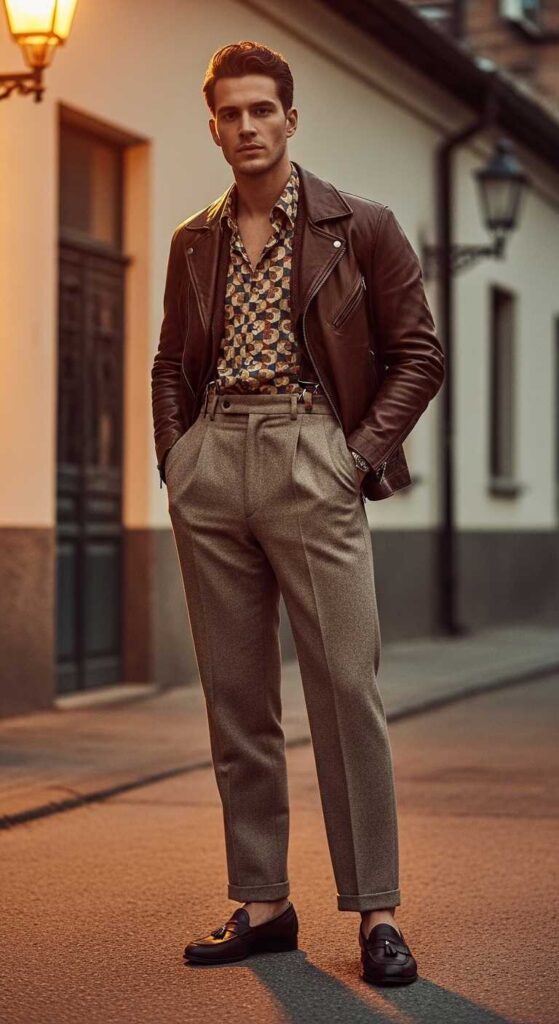
Vintage style draws inspiration from past decades, celebrating classic cuts and nostalgic aesthetics.
Key Elements
Vintage fashion includes:
- High-waisted trousers
- Patterned shirts
- Leather jackets
- Retro footwear
Each era brings distinct influences, from the elegance of the 1950s to the bold experimentation of the 1980s.
How to Wear It
Incorporate vintage pieces gradually. Mix retro elements with modern basics to avoid costume-like appearances.
Vintage style allows men to honor fashion history while expressing individuality.
Read More About: Best Haircut for Round Face The Ultimate Guide to Flattering Your Facial Shape
Athleisure Style
Athleisure merges athletic wear with everyday fashion. It prioritizes comfort, flexibility, and performance-inspired design.
Key Elements
Athleisure includes:
- Joggers and track pants
- Performance T-shirts
- Sneakers
- Lightweight jackets
This style suits active lifestyles and casual outings.
How to Wear It
Choose fitted athletic pieces and neutral tones. Keep outfits streamlined and clean. Quality fabrics enhance durability and appearance.
Athleisure proves that functional clothing can still be stylish.
Bohemian Style
Bohemian style embraces artistic expression and relaxed silhouettes. It is characterized by earthy tones and natural fabrics.
Key Elements
Bohemian fashion includes:
- Loose shirts and tunics
- Layered accessories
- Textured fabrics
- Sandals or boots
This style celebrates creativity and freedom.
How to Wear It
Experiment with layering and patterns. Stick to natural color palettes. Confidence and authenticity define bohemian fashion.
Seasonal Adaptation of Men Clothing Styles
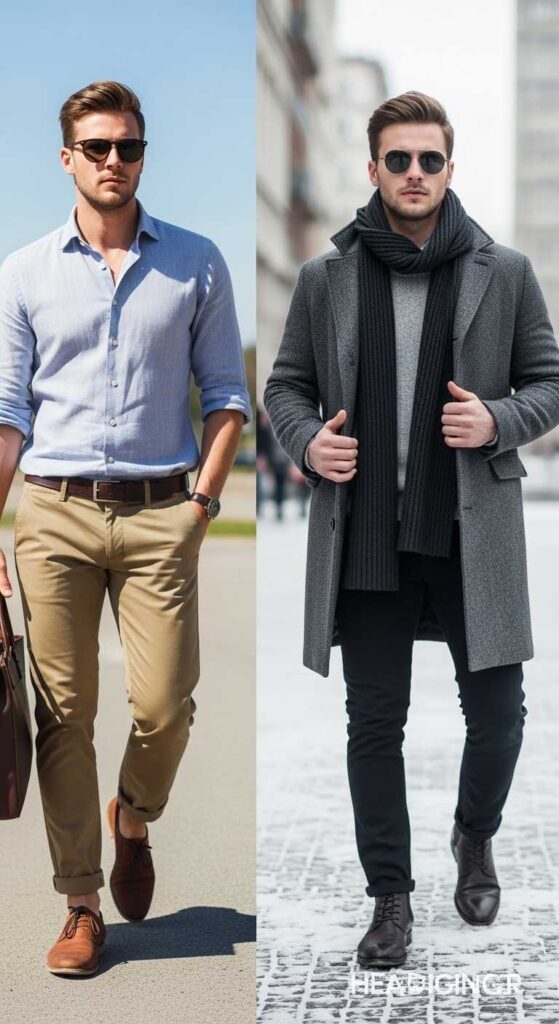
Men clothing styles should adapt to seasonal changes. Lightweight fabrics like linen dominate summer wardrobes, while wool and layering become essential in winter.
Summer Style Tips
- Choose breathable fabrics
- Wear lighter colors
- Prioritize comfort
Winter Style Tips
- Layer strategically
- Invest in quality outerwear
- Use textures for visual interest
Seasonal awareness ensures practicality without compromising style.
Building a Versatile Wardrobe
A well-rounded wardrobe includes elements from multiple men clothing styles. Versatility allows you to dress appropriately for any situation.
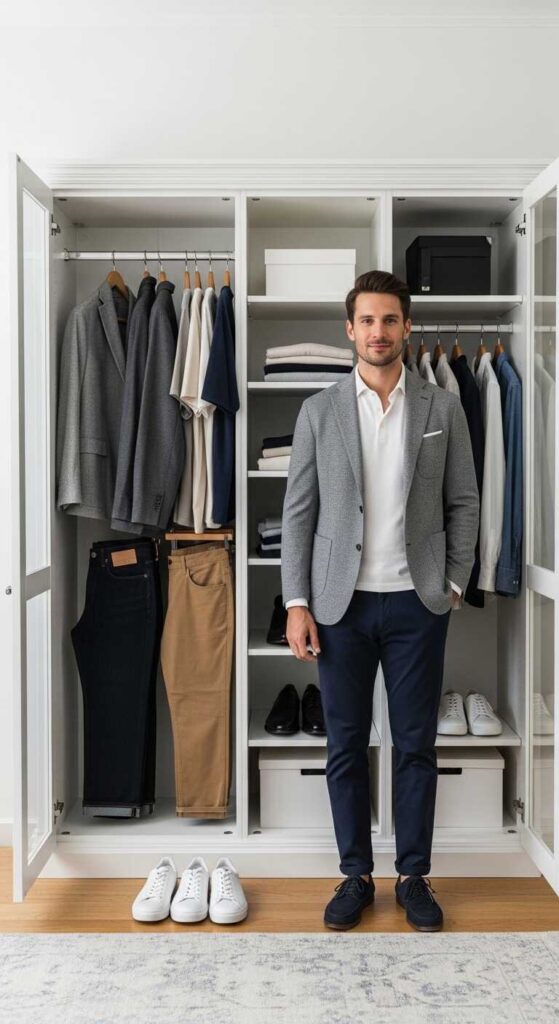
Essential Wardrobe Staples
- A tailored suit
- Neutral T-shirts
- Dark denim jeans
- A versatile blazer
- Clean sneakers and dress shoes
Mixing these staples with different styles creates endless outfit possibilities.
The Role of Fit and Fabric
Regardless of style, fit and fabric determine how clothing looks and feels. Well-fitted garments enhance body shape and boost confidence.
Fit Guidelines
- Avoid overly tight or baggy clothing
- Ensure proper sleeve and trouser length
- Tailor key pieces for precision
Fabric Selection
- Natural fibers offer breathability
- Structured fabrics improve silhouette
- Quality materials increase longevity
Understanding these fundamentals elevates any style.
Expressing Personality Through Style
Men clothing styles are tools for self-expression. Your wardrobe should reflect your lifestyle, profession, and personality.
Experimentation is key. Combine elements from different styles to create a signature look. Confidence transforms clothing into a powerful statement.
Read More About: Bald Fade Haircut for Men The Ultimate Guide to Style, Versatility, and Confidence
FAQs
What are the most popular men clothing styles today?
The most popular men clothing styles today include classic formal, business casual, smart casual, streetwear, minimalist, athleisure, and vintage-inspired fashion. Each style serves different occasions and lifestyles. For example, streetwear emphasizes bold expression and comfort, while smart casual blends polish with relaxed elegance. Many men combine elements from multiple styles to create a personalized wardrobe.
How do I choose the best clothing style for my body type?
Choosing the best men clothing style starts with understanding fit. Slim or tailored cuts often create a cleaner silhouette, while structured layering can add dimension. Men with broader builds benefit from straight cuts and darker tones, while slimmer men can experiment with layering and textures. The key is balance clothes should follow your natural shape without being too tight or too loose.
What is the difference between smart casual and business casual?
Smart casual is more relaxed and fashion-forward than business casual. Business casual focuses on workplace professionalism with blazers, chinos, and button-down shirts. Smart casual allows more creativity, such as pairing tailored jeans with a blazer or wearing clean sneakers. Both styles aim for neatness, but smart casual encourages more personality.
How can men build a versatile wardrobe?
A versatile wardrobe includes timeless essentials such as a well-fitted suit, neutral T-shirts, dark jeans, chinos, a blazer, and quality shoes. These staples can be mixed across different men clothing styles. Focus on neutral colors, high-quality fabrics, and proper fit to maximize outfit combinations and long-term value.
Are men clothing styles influenced by trends or timeless fashion?
Men clothing styles are shaped by both trends and timeless fashion. Trends introduce fresh ideas, colors, and silhouettes, while timeless pieces provide consistency and longevity. A balanced wardrobe blends modern trends with classic staples to stay stylish without constantly replacing clothing.
How important is fabric choice in men’s fashion?
Fabric choice is extremely important. Natural fabrics like cotton, wool, and linen improve comfort, breathability, and durability. High-quality fabrics enhance how clothing drapes on the body and maintain their appearance over time. Investing in better materials elevates any style.
Can men mix different clothing styles?
Yes, mixing styles is encouraged and often leads to unique personal fashion. For example, combining streetwear sneakers with smart casual tailoring creates a modern hybrid look. The key is maintaining balance and cohesion through color coordination and fit.
What colors work best in men clothing styles?
Neutral colors such as black, white, navy, gray, and beige form the foundation of most wardrobes. These shades are versatile and easy to pair. Accent colors can be added through accessories or statement pieces to create visual interest without overwhelming the outfit.
How can men stay stylish while prioritizing comfort?
Comfort and style are not mutually exclusive. Choosing well-fitted clothing made from breathable fabrics ensures ease of movement while maintaining a polished appearance. Styles like athleisure and smart casual are perfect examples of fashion that blends comfort with sophistication.
How often should men update their wardrobe?
Men should review their wardrobe seasonally and update it as needed. Instead of chasing every trend, focus on replacing worn items and adding a few modern pieces each year. This approach keeps your style current while preserving timeless essentials.
Conclusion
Men clothing styles encompass a wide spectrum from classic formal elegance to modern streetwear creativity. Understanding these styles empowers men to dress with purpose, adapt to various occasions, and express individuality.
Fashion is not about blindly following trends; it’s about discovering what makes you feel confident and authentic. By mastering the principles of fit, fabric, and versatility, any man can build a wardrobe that balances style and practicality.


