

Low Taper Fade The Ultimate Guide to a Sleek, Modern Hairstyle
The low taper fade has become one of the most versatile and stylish haircuts for men in recent years. Combining a clean, sharp look with adaptability, this haircut suits a variety of face shapes, hair types, and personal styles. Whether you’re aiming for a professional office-ready appearance or a trendy, street-style look, the low taper fade can be customized to match your aesthetic.
In this comprehensive guide, we’ll explore everything you need to know about the low taper fade from its history and types to styling tips and maintenance routines.
What Is a Low Taper Fade?
A low taper fade is a haircut where the hair gradually shortens from the top of the head down toward the hairline, usually around the ears and neckline. Unlike a high or mid fade, the tapering in a low fade starts lower on the head, typically just above the ears. This creates a subtle, natural transition that emphasizes the top hair while keeping the sides neat and polished.
The fade can be blended into different lengths on top, making it extremely versatile. From classic short cuts to longer, textured styles, the low taper fade works for almost any hair texture straight, wavy, curly, or coily.
History of the Taper Fade
The fade haircut originated in the early 20th century, gaining popularity in the 1940s and 1950s among barbers who catered to African American communities. Initially, fades were primarily seen in military and formal settings due to their clean, disciplined look.
Over time, the fade evolved into multiple variations, including low, mid, and high fades, each offering a distinct aesthetic. Today, the low taper fade stands out for its subtlety and timeless appeal, combining a professional look with modern trends.
Low Taper Fade vs. Other Fades
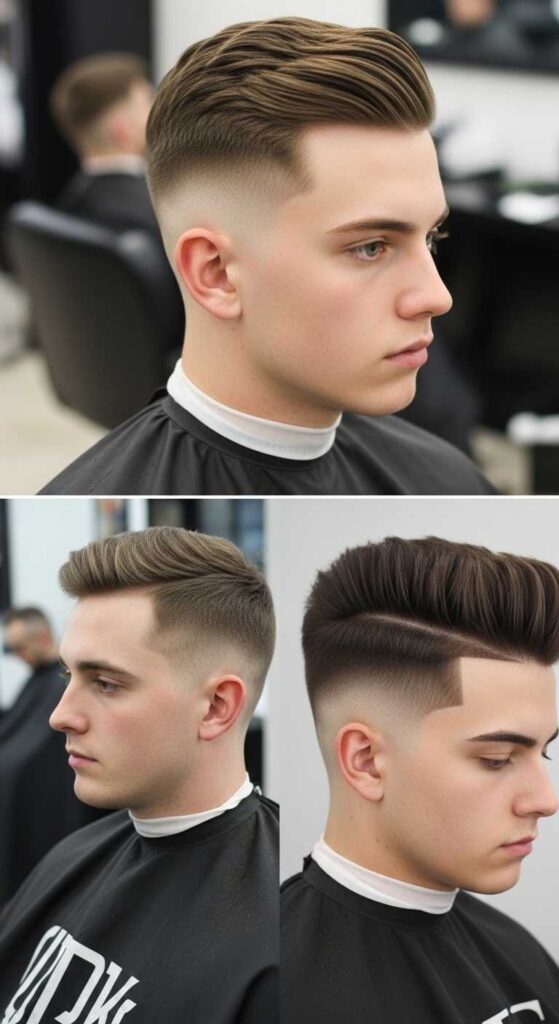
Understanding how a low taper fade differs from other fades is essential for selecting the right haircut:
High Fade: Begins near the crown and creates a more dramatic contrast between the top and sides. High fades are bold and attention-grabbing.
Mid Fade: Starts around the temple area, offering a balanced look between high and low fades. Suitable for those who want a noticeable yet versatile style.
Low Taper Fade: Starts near the bottom of the head, around the ears. Offers a subtle, clean appearance while maintaining natural hair volume on top.
The low taper fade is ideal for men seeking a subtle yet stylish transformation without going too extreme.
Who Should Get a Low Taper Fade?
The low taper fade suits almost any man, regardless of age or profession. However, here are some considerations:
Face Shape: This fade works well for oval, square, and round faces. It elongates the neck and accentuates facial features.
Hair Type: Suitable for straight, wavy, curly, and coily hair. Barbers can adjust the blending technique to match hair texture.
Lifestyle: Low taper fades are low-maintenance and professional, making them perfect for both office environments and casual settings.
Types of Low Taper Fade
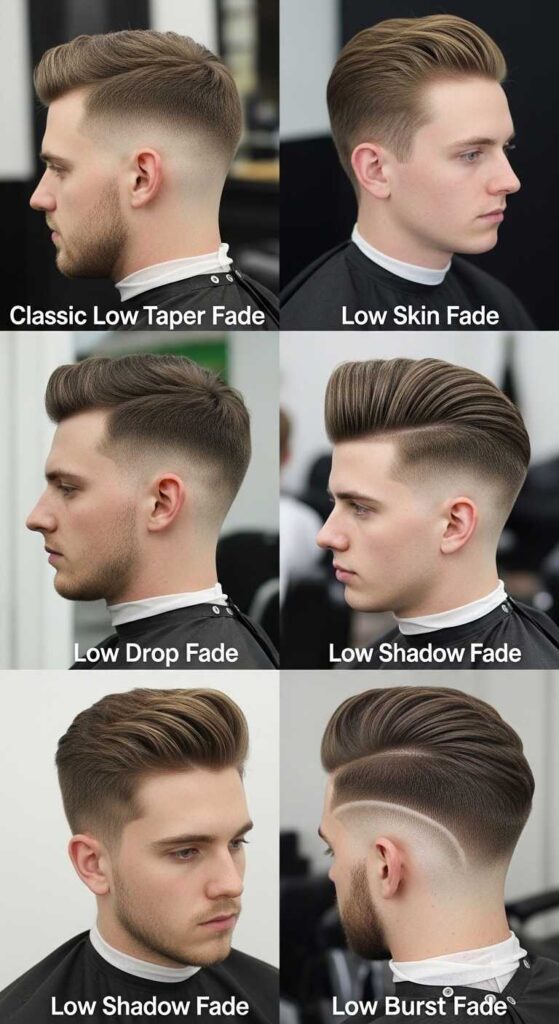
The low taper fade is highly versatile. Here are some popular variations:
Classic Low Taper Fade
The traditional version with a smooth, gradual taper from the top to the neckline. Ideal for professional and clean-cut looks.
Low Skin Fade
The hair tapers all the way down to the skin near the hairline, creating a sharper, more modern look.
Read More About: Baggy Jeans Outfit Men The Ultimate Style Guide to Modern Street Fashion
Low Drop Fade
The fade curves downward behind the ears, following the natural shape of the head. Gives a sleek, rounded finish.
Low Shadow Fade
A subtle fade that maintains a shadow effect, keeping the transition between lengths soft. Perfect for a more natural, understated look.
Low Burst Fade
Hair is tapered around the sides but fades in a circular burst pattern near the ears, often paired with mohawks or pompadours.
Styling the Low Taper Fade
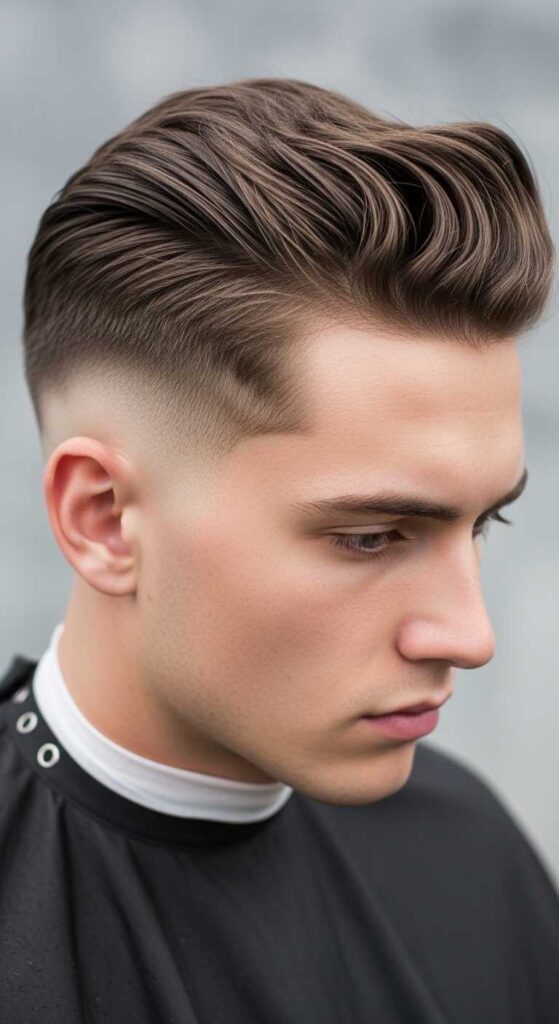
The beauty of a low taper fade is its versatility. Here are some styling ideas:
Short Styles
- Crew Cut: Tapered sides with slightly longer hair on top. Ideal for an easy, low-maintenance look.
- Buzz Cut: A minimalist approach that emphasizes the fade.
Medium Styles
- Textured Crop: Adds volume and movement on top while the sides remain clean.
- Side Part: Classic and professional, pairing well with a low taper fade.
Long Styles
- Pompadour: Longer hair on top can be styled into a voluminous pompadour with clean, tapered sides.
- Slick Back: Hair is combed backward for a sharp, polished appearance.
Low Taper Fade for Different Hair Types
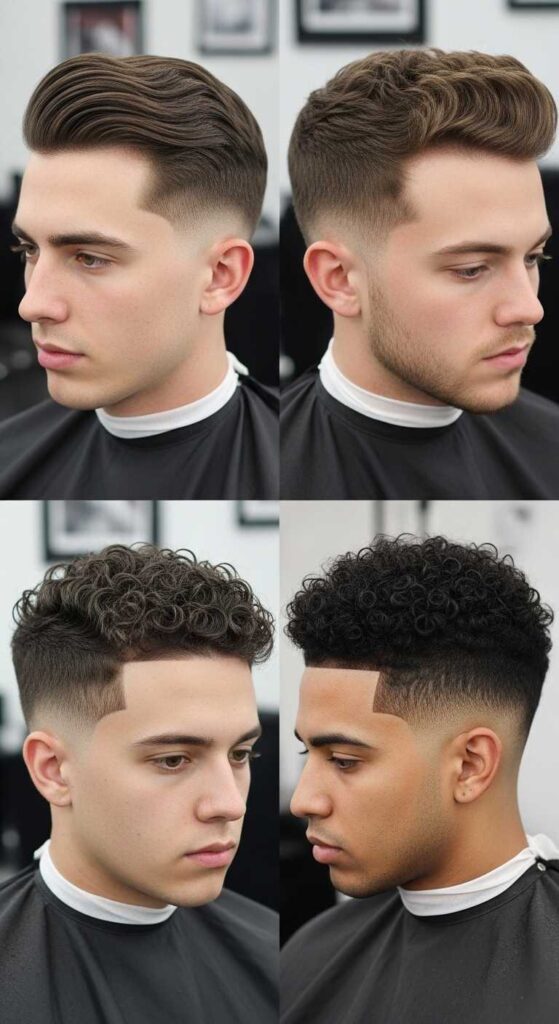
Straight Hair
- Emphasize a clean, structured appearance with sharp lines.
- Top can be left longer for styling versatility.
Wavy Hair
- Work with natural waves for texture.
- Use lightweight styling cream to enhance waves without weighing hair down.
Curly Hair
- A low taper fade complements curls by keeping the sides tidy while allowing curls to retain volume on top.
- Regular moisturizing prevents frizz.
Coily/Kinky Hair
- Maintains shape and definition.
- Often paired with a short top or shape-up for maximum impact.
Maintaining a Low Taper Fade
A low taper fade is relatively low-maintenance, but some care is needed to keep it looking sharp:
Regular Haircuts: Visit your barber every 2–4 weeks to maintain the fade.
Moisturize: Use hair oils or leave-in conditioner for healthy hair and scalp.
Styling Products: Pomade, wax, or gel can help define the top while keeping the fade neat.
Shape-Up/Line-Up: Regularly trim the edges around the forehead and temples to maintain a clean look.
Low Taper Fade and Beard Styles
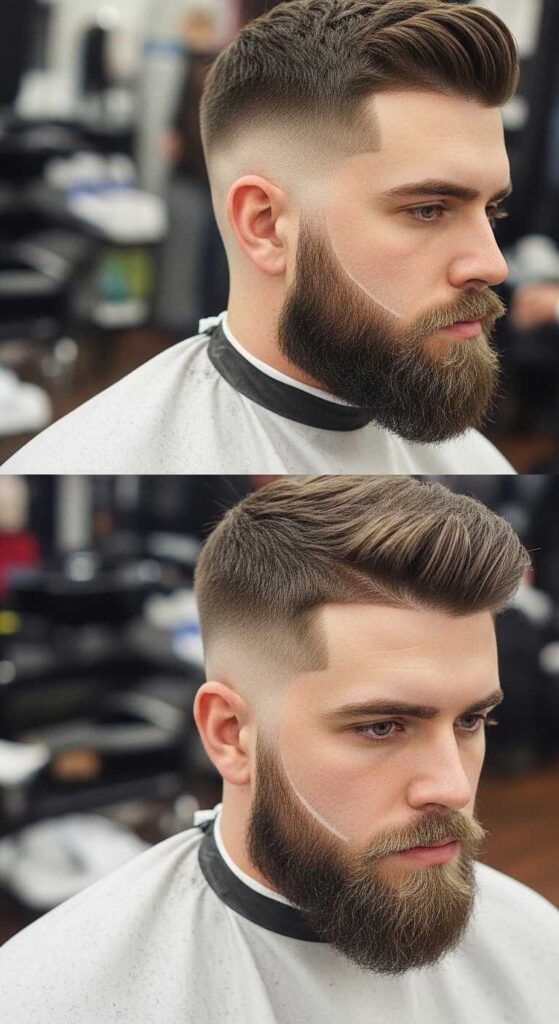
Pairing a low taper fade with a beard can enhance your overall look:
Short Beard: Complements the fade without overpowering it.
Full Beard: Balanced by maintaining clean lines and gradual tapering into the fade.
Goatee: Offers contrast and draws attention to the face while keeping the sides tidy.
Celebrity Inspirations
Several celebrities have popularized the low taper fade:
Chris Hemsworth: Often pairs the fade with medium-length hair and textured styles.
Zayn Malik: Known for experimenting with fades, including low tapers, often combined with sharp designs.
Michael B. Jordan: Uses low taper fades to complement both casual and red-carpet looks.
Low Taper Fade in Professional Settings
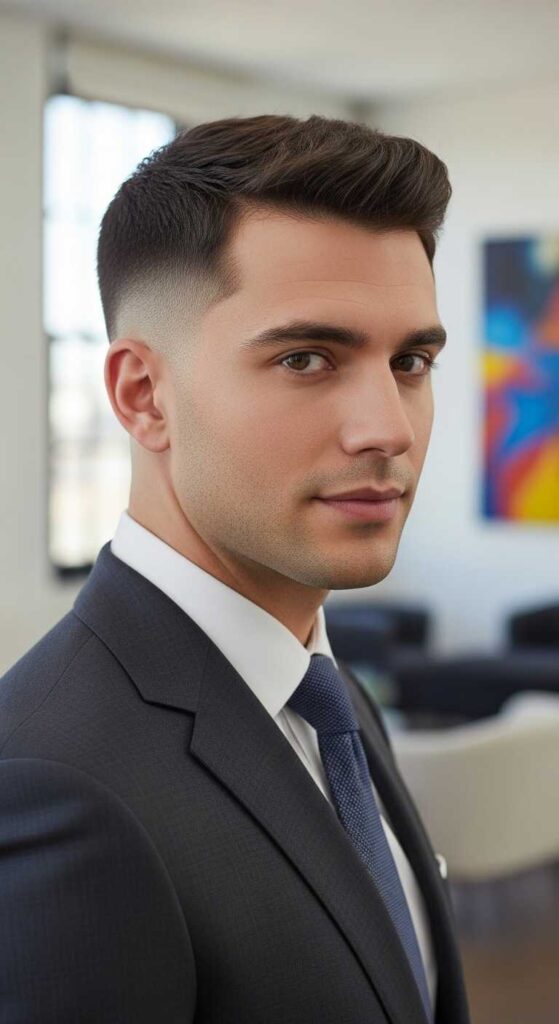
The low taper fade is widely accepted in corporate environments due to its polished appearance. Unlike high fades or extreme styles, the low taper fade is subtle, maintaining a professional image while adding a touch of modern style.
- Works well with formal suits and business casual attire.
- Keeps hair neat for meetings, presentations, and networking events.
- Can be paired with conservative or trendy top styles depending on workplace culture.
Common Mistakes to Avoid
To get the perfect low taper fade, avoid these mistakes:
Too Short on Top: The top should have enough length to complement the tapered sides.
Uneven Blending: A poorly blended fade can look jagged or unnatural.
Ignoring Hair Texture: Different hair types require different cutting techniques for the best results.
Skipping Maintenance: Neglecting trims can quickly make a fade look sloppy.
Products to Enhance Your Low Taper Fade
Using the right products ensures your fade looks fresh and stylish:
Pomade: For slicked-back or side-part styles.
Hair Cream/Wax: Adds texture and volume without stiffness.
Hair Oil: Keeps hair healthy and prevents dryness.
Edge Control: Maintains a sharp hairline and fade edges.
Low Taper Fade for Teens vs. Adults
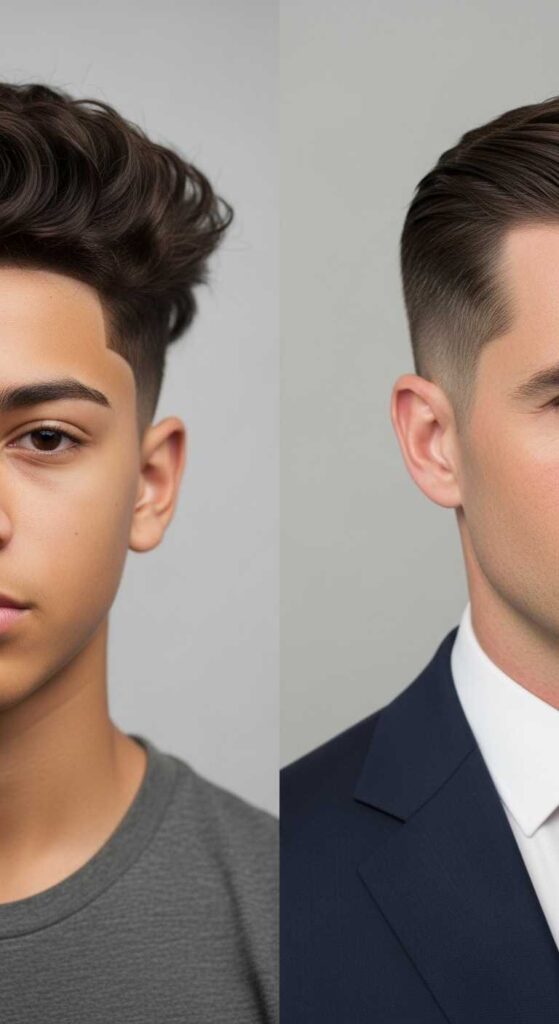
Teens
- Offers a clean, trendy look suitable for school or casual hangouts.
- Can experiment with designs or slightly longer styles on top.
Adults
- Maintains a professional and polished appearance.
- Works well with facial hair and mature features.
Low Taper Fade for Special Occasions
The low taper fade can be tailored for weddings, parties, and formal events:
Classic Side Part: Elegant and timeless for weddings or business events.
Textured Top with Fade: Perfect for parties or casual gatherings.
Slick Back with Beard: Offers a bold, stylish impression for red-carpet or formal events.
DIY vs. Barber Cut
While some may attempt a DIY low taper fade at home, visiting a professional barber is highly recommended:
Professional Tools: Barbers use clippers, trimmers, and scissors designed for fades.
Expertise: Proper blending requires experience and precision.
Customization: Barbers can adjust the fade to suit face shape, hair type, and personal style.
Read More About: Calm Fits Men The Ultimate Guide to Minimal, Relaxing, and Stylish Outfits
FAQs
What is a low taper fade haircut?
A low taper fade is a hairstyle where the hair gradually shortens from the top down to the hairline near the ears and neck, creating a clean, subtle, and professional look.
How is a low taper fade different from a high or mid fade?
Unlike high or mid fades, the low taper fade starts lower on the head, just above the ears, making the transition softer and more natural while maintaining length on top.
Who can wear a low taper fade?
This haircut suits all hair types straight, wavy, curly, or coily and works well for any face shape, age, or lifestyle, from teens to adults.
How often should I get a low taper fade trimmed?
For a sharp and fresh appearance, it’s recommended to visit the barber every 2–4 weeks, depending on hair growth and style preference.
Can I style a low taper fade with long hair on top?
Yes! The low taper fade pairs well with long, medium, or short hair on top, including pompadours, slick backs, textured crops, or curly styles.
Is the low taper fade suitable for curly or coily hair?
Absolutely. The fade keeps the sides neat while letting natural curls or coils add volume and texture on top.
Can I combine a low taper fade with beard styles?
Yes. It works with short beards, full beards, goatees, or stubble, and a clean blend between hairline and facial hair enhances the overall look.
How do I maintain a low taper fade at home?
Use moisturizing products, light styling creams, and regularly shape the hairline. However, professional trims every few weeks are essential to maintain the fade.
Can I add designs or patterns to a low taper fade?
Yes, barbers can incorporate subtle or bold designs while keeping the fade smooth. This works well for casual, trendy, or artistic styles.
Is a low taper fade appropriate for professional settings?
Yes, it’s subtle, clean, and versatile, making it perfect for offices, formal events, or business casual environments while remaining stylish.
Conclusion
The low taper fade is a timeless, versatile haircut that balances subtlety and style. Whether you’re a teen experimenting with trends, a professional seeking a clean-cut appearance, or someone looking for a modern, polished look, the low taper fade offers endless possibilities.
By choosing the right fade variation, pairing it with suitable hairstyles, maintaining it with proper grooming, and using the right products, you can ensure your fade looks fresh, sharp, and stylish at all times.


