

Japanese Fashion Men A Comprehensive Guide to Style, Culture, and Trends
Japanese fashion for men has become a global phenomenon, blending innovation, cultural heritage, and unique aesthetics. From streetwear to high fashion, Japan’s influence on men’s style is profound, pushing the boundaries of design while remaining rooted in tradition. In this article, we explore everything about Japanese fashion men, including its history, key styles, influential brands, styling tips, and its impact worldwide.
Introduction to Japanese Fashion for Men
Japanese fashion for men is renowned for its creativity, precision, and fusion of the old with the new. Unlike Western fashion, which often emphasizes trends and seasonal changes, Japanese men’s fashion often focuses on craftsmanship, quality materials, layering techniques, and individual expression. The streets of Tokyo, Osaka, and Kyoto showcase a variety of styles, from minimalist elegance to bold, avant-garde experimentation.
Why Japanese fashion men is unique:
- Attention to detail in tailoring and accessories.
- Emphasis on layering and textures.
- Fusion of traditional and modern elements.
- Street style innovation that inspires global trends.
Japanese fashion has influenced major international designers and brands. Men around the world look to Japan for inspiration, whether it’s the sleek tailoring of Japanese minimalism or the eccentricity of Harajuku streetwear.
Historical Evolution of Japanese Men’s Fashion
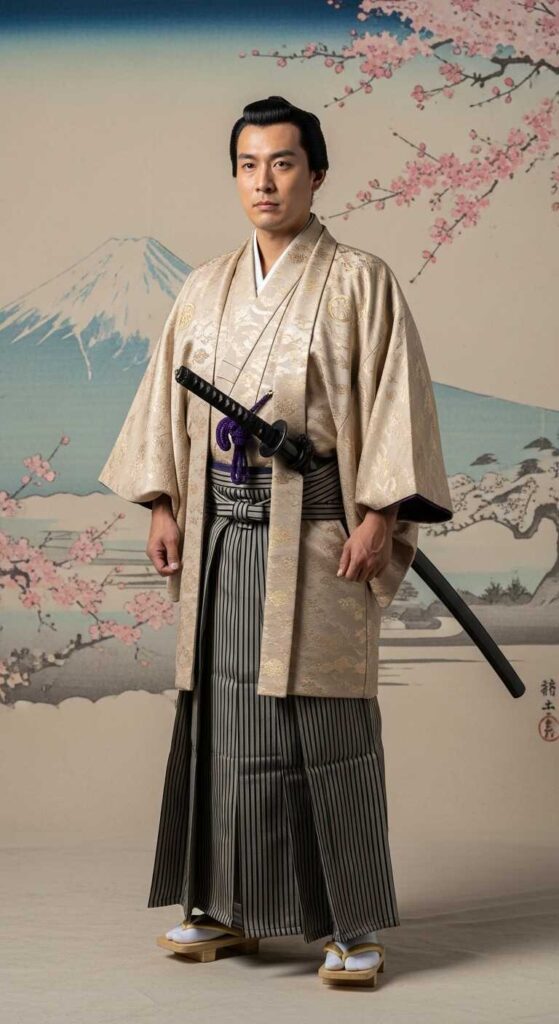
Edo and Meiji Periods (1603–1912)
Traditional Japanese clothing like the kimono, hakama, and haori dominated male fashion. Clothing was influenced by social hierarchy, occasion, and region. Samurai culture emphasized simplicity and elegance, with fabrics like silk and hemp.
The Meiji Restoration (1868–1912) introduced Western styles to Japan. Men started wearing suits, hats, and ties, merging Western influences with Japanese aesthetics. This period laid the foundation for Japan’s contemporary menswear industry.
Post-War Japan and Modernization (1945–1980s)
After World War II, Japan experienced rapid economic growth. Western clothing became mainstream, but a uniquely Japanese sense of style emerged, especially in urban centers. Tailored suits, denim, and casual wear became popular, while subcultures like Ivy style, influenced by American collegiate fashion, began shaping youth fashion.
Contemporary Japanese Fashion (1990s–Present)
From the 1990s onward, Japanese fashion became internationally recognized. Designers like Yohji Yamamoto, Issey Miyake, and Comme des Garçons introduced avant-garde designs that redefined menswear. Street fashion also exploded with districts like Harajuku, Shibuya, and Shimokitazawa becoming global style hubs.
Key Styles in Japanese Men’s Fashion
Japanese fashion for men is incredibly diverse. Below are the main styles you’ll encounter:
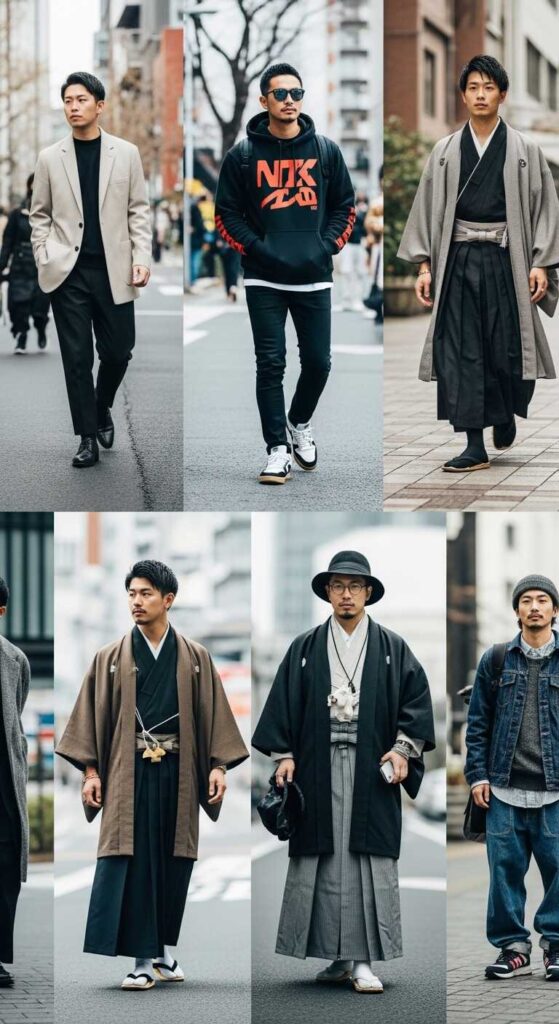
Minimalist / Clean Style
Characteristics: Neutral colors, simple silhouettes, high-quality fabrics, precise tailoring.
Popular brands: Uniqlo, Muji, Theory Japan.
Styling tip: Focus on layering and texture rather than bright colors. Think oversized sweaters, slim trousers, and monochrome tones.
Streetwear
Characteristics: Bold, experimental, casual, often inspired by skate or urban culture.
Popular districts: Harajuku, Shibuya.
Popular brands: A Bathing Ape (BAPE), Neighborhood, WTAPS.
Styling tip: Mix statement sneakers with graphic tees and oversized jackets for an authentic street look.
Traditional-Modern Fusion
Characteristics: Incorporating elements of traditional Japanese clothing into modern outfits.
Example: Kimono-inspired jackets with jeans or hakama-style pants in contemporary designs.
Popular designers: Issey Miyake, Sacai.
Styling tip: Pair a traditional jacket with modern sneakers for balance.
Avant-Garde
Characteristics: Oversized silhouettes, asymmetrical cuts, experimental fabrics.
Popular brands: Comme des Garçons, Yohji Yamamoto, Junya Watanabe.
Styling tip: Go bold with monochromatic looks and unconventional cuts, emphasizing artistic expression over conventional fit.
Casual / Everyday Wear
Characteristics: Relaxed, practical, often layered.
Popular brands: Uniqlo, Beams, Journal Standard.
Styling tip: Combine jeans, flannel shirts, and jackets with neutral tones for comfortable, stylish outfits.
Iconic Japanese Fashion Men Brands
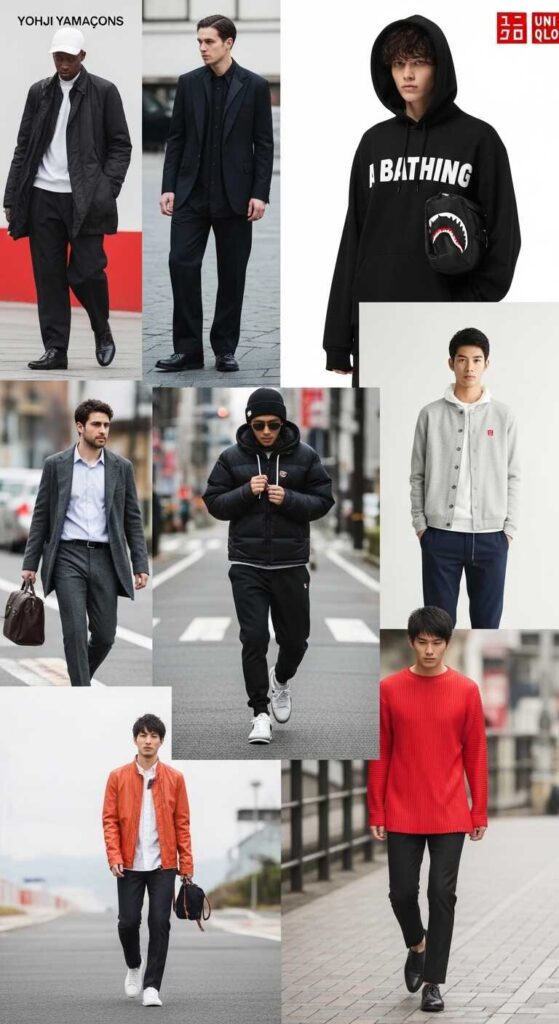
Yohji Yamamoto
Known for avant-garde tailoring, oversized silhouettes, and monochromatic color palettes. Yamamoto’s designs focus on fluidity and artistry, often redefining menswear norms.
Comme des Garçons
Renowned for unconventional cuts, bold statements, and experimental designs. Rei Kawakubo, the founder, challenged global fashion norms and made Japanese menswear a symbol of innovation.
A Bathing Ape (BAPE)
A streetwear pioneer, famous for its camo patterns, graphic hoodies, and limited-edition sneaker collaborations. BAPE embodies the playful, bold side of Japanese men’s fashion.
Uniqlo
The go-to for minimalist everyday clothing. Known for affordable yet high-quality basics, Uniqlo represents the balance between practicality and style.
Issey Miyake
Famous for pleated designs and experimental fabrics. Miyake combines traditional Japanese craft with futuristic aesthetics, making it a favorite among fashion-forward men.
Japanese Fashion Men’s Street Style
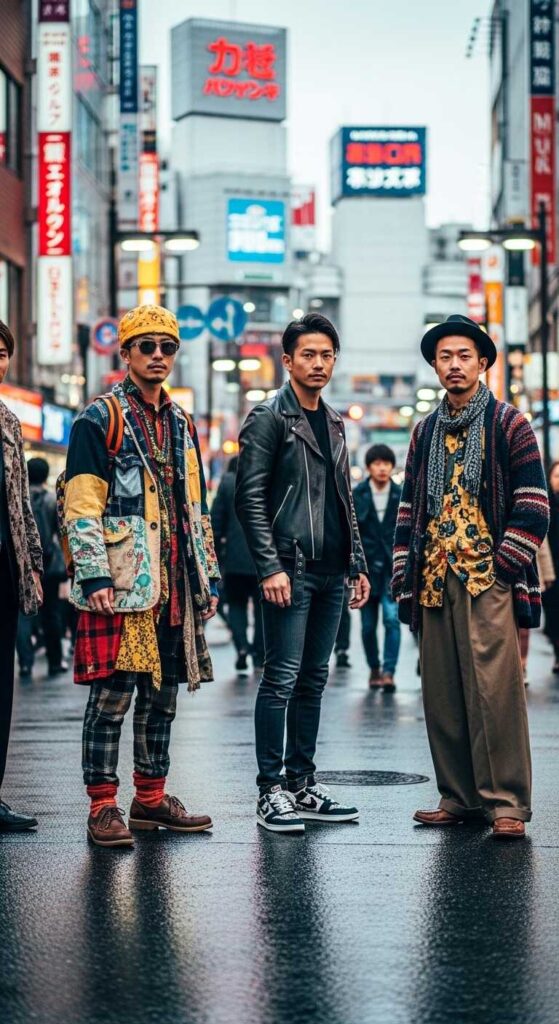
Harajuku Style
Harajuku is the epicenter of youth fashion in Tokyo. Styles here are colorful, eclectic, and highly individualistic. Men often experiment with layering, graphic tees, oversized jackets, hats, and accessories.
Shibuya Style
Shibuya focuses on trendy, urban fashion. Men in Shibuya often wear slim-fit jeans, jackets, sneakers, and minimalist accessories. It’s more polished than Harajuku but still reflects youth culture.
Shimokitazawa / Vintage Fashion
Shimokitazawa is known for vintage and retro-inspired fashion. Men here combine thrifted finds with contemporary items, creating a laid-back, artistic look.
Read More About: Haircut Ideas for Medium Hair The Ultimate Guide to Stylish, Versatile Looks
Styling Tips for Japanese Fashion Men
Focus on Layering
Layering is a cornerstone of Japanese fashion. It adds depth and texture to an outfit. Combine shirts, jackets, vests, and oversized coats while paying attention to proportions.
Experiment with Silhouettes
Japanese menswear embraces oversized clothing, asymmetry, and unique proportions. Don’t be afraid to try unconventional fits for a statement look.
Mix Traditional and Modern
Incorporate elements like kimono jackets, haori, or hakama pants with modern pieces. This creates a balance between heritage and contemporary fashion.
Accessorize Thoughtfully
Hats, scarves, belts, and bags are essential. Accessories can transform a simple outfit into a stylish Japanese-inspired look.
Prioritize Quality Over Quantity
Japanese fashion emphasizes high-quality fabrics and craftsmanship. Investing in fewer, well-made pieces often results in a more refined style.
Japanese Fashion Men and Hairstyles
A complete Japanese look often includes hairstyles that complement the outfit:
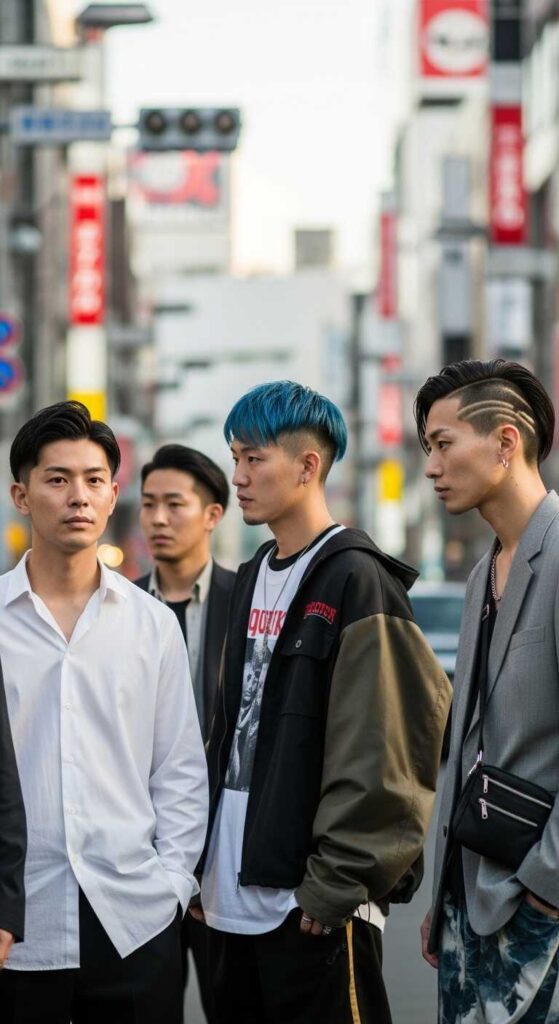
Minimalist looks: Neat, simple cuts with natural textures.
Streetwear looks: Bold cuts, dyed hair, or undercuts.
Avant-garde fashion: Unique hairstyles to match the experimental clothing style.
Attention to grooming and hair is critical, as it ties the overall style together.
Cultural Influences on Japanese Fashion Men
Japanese fashion is deeply influenced by culture, history, and subcultures:
Samurai aesthetics: Simplicity, structure, and respect for fabrics.
Anime and manga: Bold colors, playful patterns, and statement pieces.
Music subcultures: J-pop, Visual Kei, and hip-hop influence modern streetwear.
Western influence: Suits, denim, and casual wear adapted to Japanese taste.
This mix creates a rich, multidimensional fashion scene.
Global Influence of Japanese Men’s Fashion
Japanese fashion has had a significant impact worldwide:
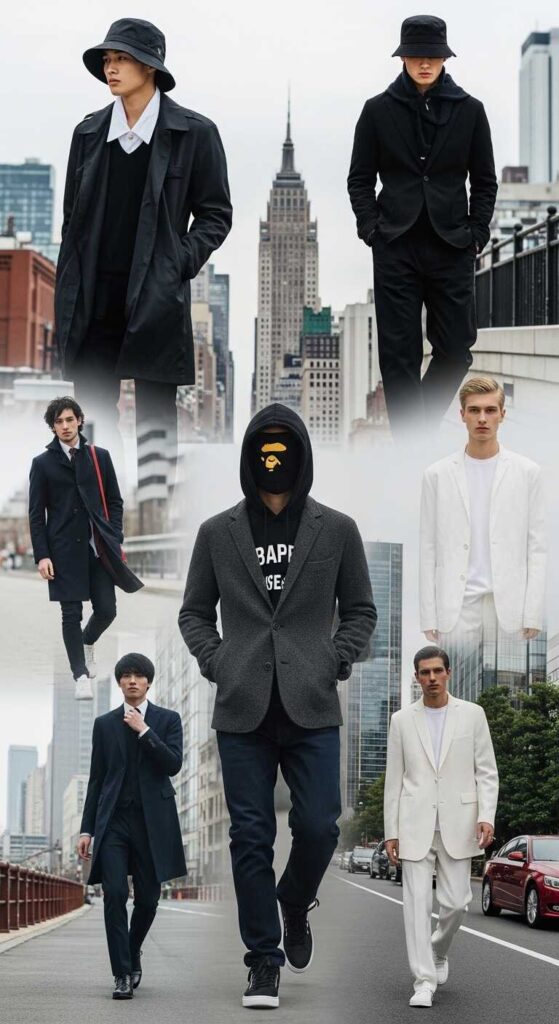
Streetwear boom: Brands like BAPE inspired global streetwear culture.
Avant-garde influence: Designers like Yamamoto and Comme des Garçons influenced Paris Fashion Week and major international designers.
Minimalist aesthetics: Japanese minimalism inspired brands like COS and even Western tailoring trends.
Pop culture: Japanese-inspired outfits are seen in K-pop, Hollywood, and social media influencers.
Shopping Japanese Fashion for Men
In Japan
Harajuku: Youth fashion, streetwear, and bold experimentation.
Shibuya: Trendy urban styles and mainstream fashion.
Ginza: Luxury brands and high-end menswear.
Shimokitazawa: Vintage and thrift stores.
Online
Japanese marketplaces: Zozotown, Rakuten, and Uniqlo Global.
International retailers: StockX, Farfetch, and SSENSE often stock Japanese brands.
Challenges and Considerations
Sizing: Japanese sizing may differ from Western sizing; always check measurements.
Price: High-quality Japanese brands can be expensive.
Cultural authenticity: Understand the meaning behind traditional garments when mixing styles.
Future of Japanese Fashion Men
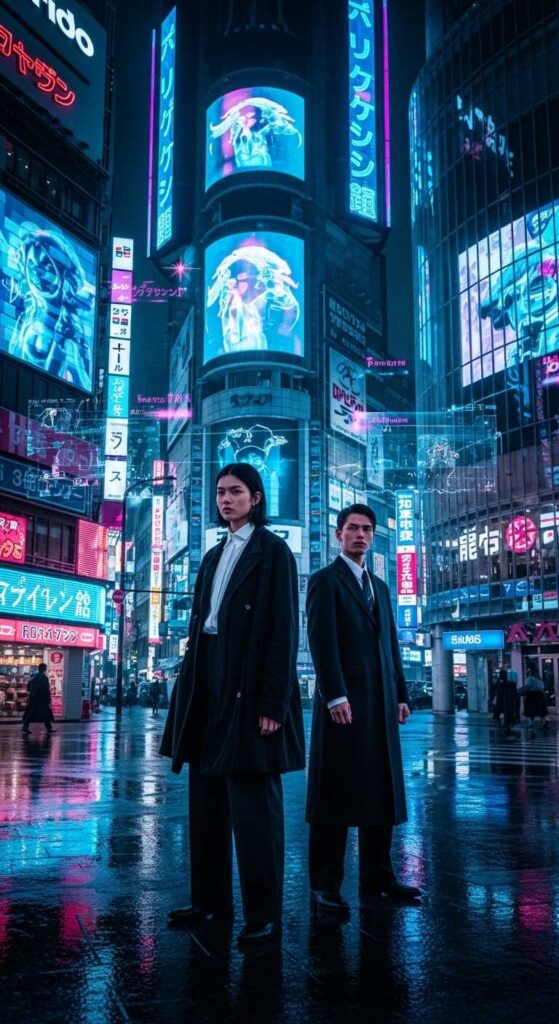
Japanese men’s fashion continues to evolve. Emerging trends include:
- Sustainable and eco-friendly fashion.
- Tech-integrated clothing and smart fabrics.
- Continued fusion of streetwear, traditional styles, and global influences.
- Broader international recognition of Japanese menswear designers.
Japanese fashion will likely maintain its reputation as a leader in creativity and individuality.
Read More About: Haircut for Round Face Shape The Ultimate Guide to Flattering Styles and Expert Tips
FAQs
What is Japanese fashion for men?
Answer: Japanese fashion for men is a unique blend of traditional heritage, streetwear, and high-end designer influences. It emphasizes craftsmanship, innovative design, layering, and personal expression. From minimalist styles to bold streetwear and avant-garde clothing, Japanese menswear is recognized worldwide for its creativity and attention to detail.
What are the key styles in Japanese men’s fashion?
Answer: Key styles include:
Minimalist / Clean Style: Neutral colors, simple silhouettes, precise tailoring.
Streetwear: Bold graphics, oversized clothing, and sneakers.
Traditional-Modern Fusion: Kimono-inspired jackets, haori, and hakama combined with modern clothing.
Avant-Garde: Experimental fabrics, oversized silhouettes, and asymmetrical cuts.
Casual / Everyday Wear: Relaxed, practical, layered outfits for daily use.
Which Japanese brands are popular for men’s fashion?
Answer: Popular Japanese menswear brands include:
Yohji Yamamoto – Avant-garde tailoring and oversized silhouettes.
Comme des Garçons – Bold, experimental fashion statements.
A Bathing Ape (BAPE) – Iconic streetwear and graphic designs.
Uniqlo – Minimalist, high-quality basics.
Issey Miyake – Innovative fabrics and pleated designs.
How does Japanese street style for men differ from Western fashion?
Answer: Japanese street style emphasizes creativity, individuality, and layering. It blends subculture influences like Harajuku eccentricity, Shibuya trends, and vintage Shimokitazawa fashion. Western fashion often focuses on seasonal trends and standardized silhouettes, whereas Japanese streetwear encourages bold experimentation and cultural fusion.
Can I wear traditional Japanese clothing in modern fashion?
Answer: Yes! Traditional Japanese clothing like kimono jackets, haori, or hakama-inspired pants can be incorporated into modern outfits. Pairing traditional pieces with contemporary items, like jeans or sneakers, creates a stylish fusion look. Designers like Sacai and Issey Miyake often mix heritage garments with modern trends.
What are some styling tips for Japanese fashion men?
Answer: Key styling tips include:
- Focus on layering for depth and texture.
- Experiment with silhouettes and oversized clothing.
- Mix traditional and modern pieces for balance.
- Use accessories like hats, scarves, and bags thoughtfully.
- Prioritize quality over quantity for fabrics and tailoring.
How has Japanese fashion influenced global menswear?
Answer: Japanese fashion has influenced global menswear through:
- Streetwear trends like BAPE inspiring international street culture.
- Avant-garde designers like Yohji Yamamoto and Comme des Garçons redefining fashion shows and luxury menswear.
- Minimalist aesthetics influencing brands like COS, Theory, and Western tailoring.
- Pop culture, music, and social media spreading Japanese-inspired looks worldwide.
Where can I buy Japanese fashion for men?
Answer: You can buy Japanese menswear:
In Japan: Harajuku for youth fashion, Shibuya for trendy urban styles, Ginza for luxury fashion, and Shimokitazawa for vintage finds.
Online: Zozotown, Rakuten, Uniqlo Global, and international retailers like Farfetch, SSENSE, and StockX.
Are Japanese clothes true to size for men?
Answer: Japanese sizing is often smaller than Western standards, especially in fitted items. Always check the brand’s size chart, and consider sizing up if necessary. Streetwear and oversized clothing are generally more forgiving.
Is Japanese fashion for men expensive?
Answer: It depends. High-end designer brands like Comme des Garçons or Yohji Yamamoto are expensive, reflecting premium craftsmanship and innovative design. Brands like Uniqlo or Beams offer more affordable options while still maintaining quality and style.
Conclusion
Japanese fashion men is more than just clothing; it’s an art form, a cultural statement, and a lifestyle. From minimalist elegance to bold streetwear, Japanese menswear encourages self-expression, attention to detail, and respect for craftsmanship. Whether you are exploring Harajuku streets or integrating Japanese style into your everyday wardrobe, understanding the history, styles, and cultural influences of Japanese fashion can elevate your style game and inspire a global outlook on fashion.
Embracing Japanese fashion for men means embracing creativity, individuality, and innovation. Whether you’re a minimalist, a streetwear enthusiast, or a fan of avant-garde designs, Japan offers endless inspiration for men’s fashion that transcends trends and stands the test of time.


