

Best Haircut for Thin Hair The Ultimate Guide to Volume, Style, and Confidence
Thin hair can feel challenging to style, but the right haircut can completely transform how your hair looks and feels. A strategic cut adds volume, movement, and texture, making thin hair appear fuller and healthier. Whether you prefer short, medium, or long styles, choosing the best haircut for thin hair is about working with your hair’s natural texture and structure not against it.
This comprehensive guide explores the best haircuts for thin hair, how to choose the right one for your face shape and lifestyle, and expert styling tips to maximize volume and confidence.
Understanding Thin Hair What Makes It Different?
Before choosing a haircut, it’s important to understand what thin hair really means. Thin hair refers to the density of hair strands on your scalp. People with thin hair have fewer hair follicles, which can cause the hair to appear flat or limp.
Thin hair is different from fine hair. Fine hair refers to the thickness of individual strands, while thin hair refers to overall hair density. Some people have both fine and thin hair, which requires even more thoughtful styling.
The main challenges of thin hair include:
- Lack of natural volume
- Difficulty holding styles
- Hair appearing flat or lifeless
- Visible scalp in certain lighting
The best haircut for thin hair addresses these issues by creating the illusion of fullness through shape, layering, and texture.
Key Principles Behind the Best Haircut for Thin Hair
Not all haircuts are created equal when it comes to thin hair. Certain principles consistently produce better results:
Strategic Layering
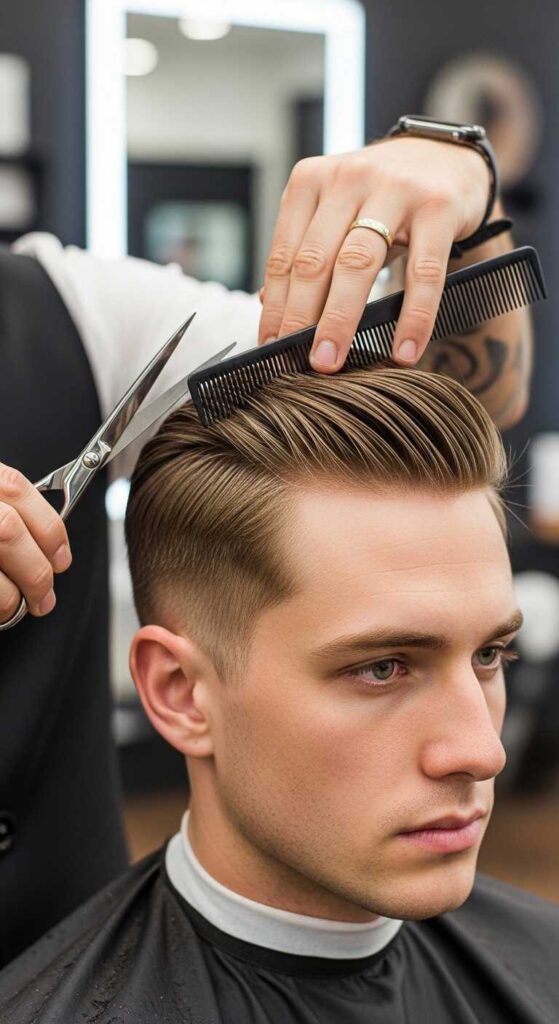
Light, well-placed layers add movement and dimension. However, too many layers can make thin hair look stringy. The key is subtle layering that enhances volume without removing too much bulk.
Blunt Edges
Blunt cuts create the appearance of thicker ends. A clean, straight edge makes hair look denser and healthier compared to wispy or overly feathered ends.
Texture and Shape
Textured cuts help thin hair avoid looking flat. Soft waves, choppy ends, and modern shaping techniques add visual interest and body.
Length Control
Extremely long hair can weigh thin strands down, making them appear flatter. The best haircuts often keep length manageable to preserve lift and bounce.
Best Short Haircuts for Thin Hair
Short hairstyles are often ideal for thin hair because they remove excess weight and encourage natural volume.
Pixie Cut
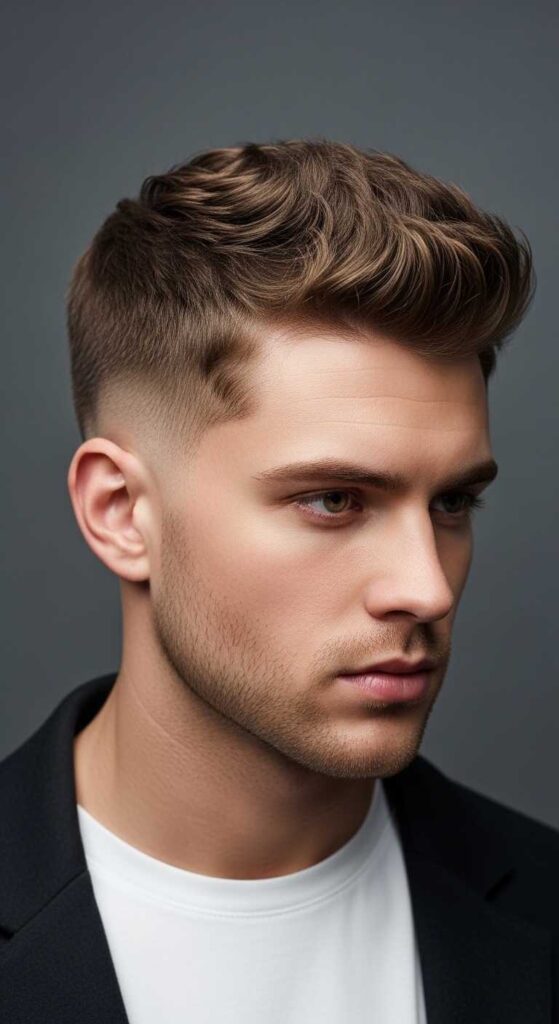
The pixie cut is one of the best haircuts for thin hair. Its short length creates instant lift at the roots. A textured pixie with longer layers on top adds dimension and movement.
Benefits include:
- Easy styling and maintenance
- Instant volume
- A modern, confident appearance
Styling tip: Use a lightweight volumizing mousse and tousle with your fingers for a soft, airy finish.
Read More About: Men Business Casual Outfits The Complete Guide to Modern Professional Style
Textured Bob
A textured bob sits around chin or jaw length and works beautifully for thin hair. The shape frames the face while adding fullness around the sides.
A slightly messy or tousled finish enhances the illusion of thicker hair. Avoid overly sleek styling, which can emphasize flatness.
Asymmetrical Crop
An asymmetrical short cut adds visual interest and volume. The uneven lengths create natural movement, making hair appear fuller.
This style is ideal for those who want a bold, fashion-forward look while maximizing thin hair’s potential.
Best Medium-Length Haircuts for Thin Hair
Medium-length styles offer versatility without sacrificing volume.
Lob (Long Bob)
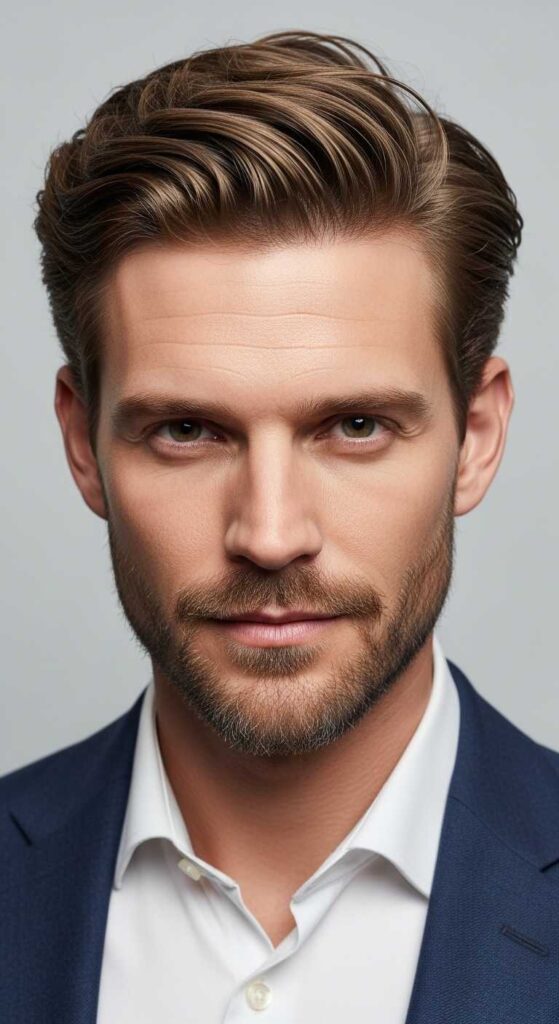
The lob is a universally flattering option and one of the most popular choices for thin hair. Falling between the shoulders and collarbone, it maintains enough weight to look healthy while still allowing movement.
A blunt or softly layered lob enhances density and works well with straight or wavy textures.
Shoulder-Length Layered Cut
A shoulder-length cut with minimal layers adds bounce and shape. Face-framing layers create softness without thinning out the ends.
This style is perfect for people who want styling flexibility while keeping a polished appearance.
Shag Cut
A modern shag with soft layers adds texture and volume. Unlike heavily layered traditional shags, today’s versions are more subtle and wearable.
The shag works especially well for naturally wavy thin hair, enhancing its texture and body.
Best Long Haircuts for Thin Hair
Long hair can still look beautiful on thin hair when cut correctly.
Long Blunt Cut
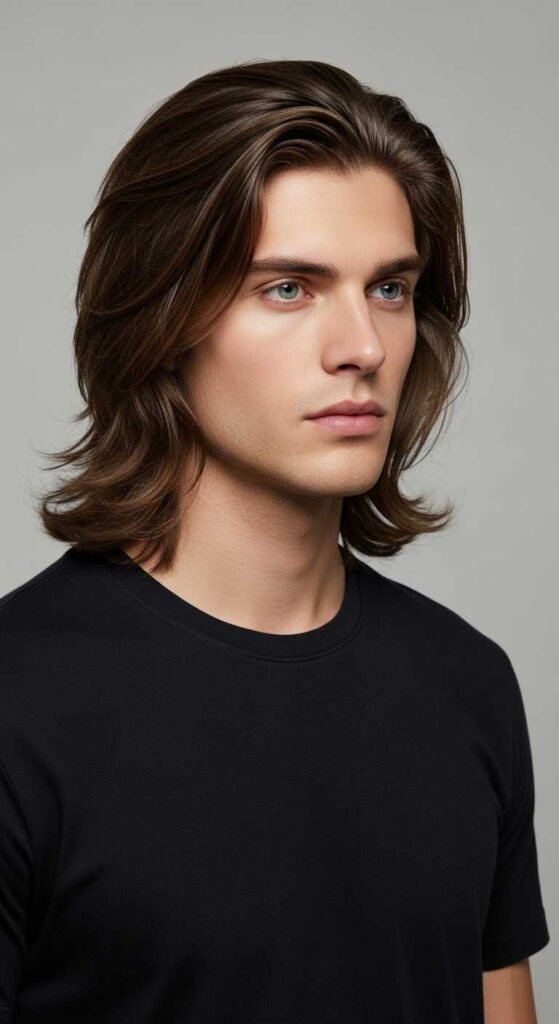
A long blunt cut with minimal layering preserves thickness at the ends. Keeping the perimeter strong prevents hair from looking wispy.
Subtle face-framing layers can add movement without compromising fullness.
Long Layers with Volume Focus
If you prefer layers, keep them long and blended. Avoid excessive thinning or razor cutting, which can reduce density.
Soft waves enhance the look of fullness and movement.
Choosing the Best Haircut Based on Face Shape
Face shape plays a crucial role in selecting a flattering haircut.
Round Face
Opt for cuts that add height and elongate the face, such as layered lobs or pixie cuts with volume on top.
Oval Face
Most haircuts work well with an oval face. Experiment with bobs, shags, or layered medium cuts.
Square Face
Soft layers and textured styles balance strong jawlines. Shoulder-length cuts with movement are ideal.
Heart-Shaped Face
Chin-length bobs and lobs add fullness around the jaw, balancing a wider forehead.
Styling Techniques to Enhance Thin Hair
The best haircut for thin hair works even better when paired with smart styling.
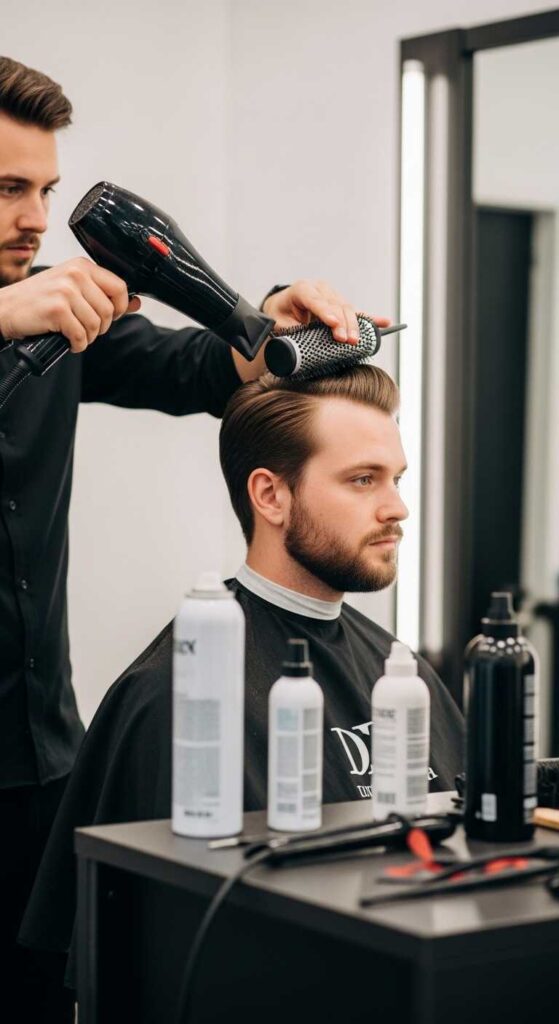
Blow-Drying for Volume
Blow-dry hair upside down or use a round brush to lift roots. Focus airflow at the roots to create body.
Lightweight Products
Use volumizing sprays, mousses, or texturizing products. Avoid heavy creams or oils that weigh hair down.
Heat Styling
Soft curls or waves add dimension and fullness. Use a curling iron or flat iron to create gentle bends.
Dry Shampoo
Dry shampoo adds texture and lift while absorbing oil, making hair appear fuller.
Hair Color and Its Impact on Thin Hair
Color techniques can enhance the appearance of thickness.
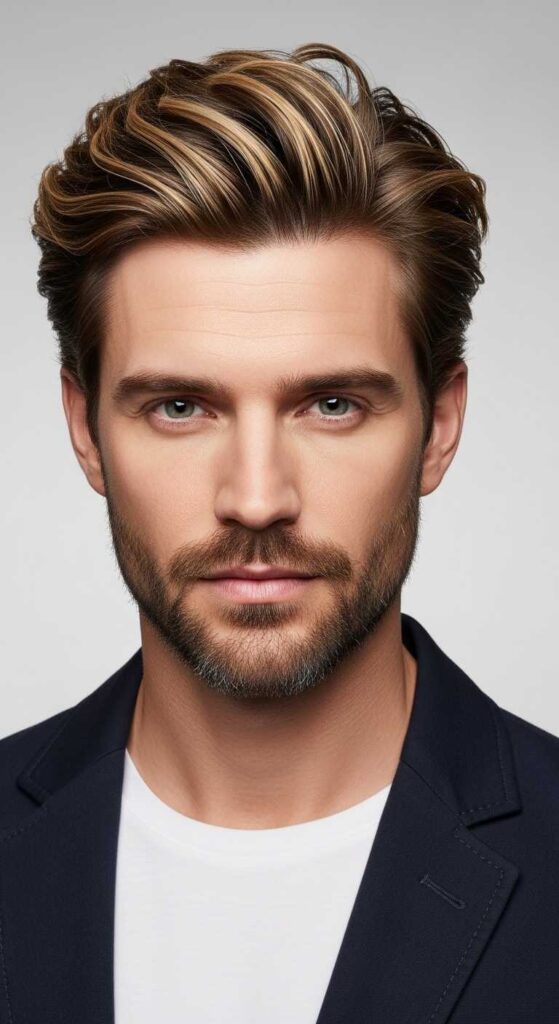
Highlights and Lowlights
Multi-dimensional color creates depth and movement, making hair look fuller.
Balayage
Soft, blended color adds visual texture without harsh lines.
Root Shadowing
Darker roots create contrast and the illusion of density.
Common Mistakes to Avoid with Thin Hair
Avoid these pitfalls to keep thin hair looking its best:
- Over-layering, which reduces fullness
- Growing hair too long without shape
- Using heavy styling products
- Skipping regular trims
Regular maintenance keeps ends healthy and prevents thinning from becoming more noticeable.
Maintenance Tips for the Best Haircut for Thin Hair
Healthy hair supports any great haircut.
Regular Trims
Trim every 6–8 weeks to maintain shape and prevent split ends.
Gentle Hair Care
Use sulfate-free shampoos and lightweight conditioners. Avoid excessive heat styling.
Scalp Health
A healthy scalp promotes better hair growth. Gentle massages and proper cleansing help maintain scalp condition.
Confidence and Personal Style
The best haircut for thin hair is ultimately the one that makes you feel confident. A flattering cut enhances your features and complements your personal style.
Consult with a professional stylist who understands thin hair and can tailor a cut to your needs. Bring reference photos and discuss your daily routine to find a practical yet stylish solution.
Read More About: Wedding Tuxedo for Men The Ultimate Guide to Timeless Elegance and Modern Wedding Style
FAQs
What is the best haircut for thin hair to make it look thicker?
The best haircut for thin hair is typically a blunt bob, lob (long bob), or textured pixie cut. These styles keep the ends strong and add shape, which creates the illusion of fullness. Blunt edges especially make hair appear denser and healthier.
Are layers good or bad for thin hair?
Layers can be good for thin hair if they are subtle and strategically placed. Too many or overly short layers can make hair look stringy. Long, soft layers add movement without removing too much bulk.
Should people with thin hair keep it short or long?
Short to medium lengths usually work best because they prevent hair from being weighed down. However, long hair can still look great if it’s cut blunt and maintained well. The key is keeping the ends thick and healthy.
Does a bob haircut make thin hair look thicker?
Yes, a bob haircut is one of the best options for thin hair. A blunt or lightly textured bob creates structure and volume, making hair look fuller and more defined.
What haircut should I avoid if I have thin hair?
Avoid overly layered cuts, razor-thinned ends, and very long styles with no shape. These can make thin hair look flat and sparse. Extremely heavy bangs can also emphasize thinness if not cut properly.
Is a pixie cut a good choice for thin hair?
A pixie cut is excellent for thin hair. Its short length naturally lifts the roots and adds volume. A textured pixie with longer layers on top provides dimension and styling flexibility.
Can bangs work with thin hair?
Yes, but the type of bangs matters. Wispy or curtain bangs are ideal because they add softness without removing too much density. Thick, heavy bangs may make the rest of the hair look thinner.
How can I style thin hair to add volume after a haircut?
Use lightweight volumizing mousse, root-lifting spray, or dry shampoo. Blow-dry hair upside down or with a round brush to lift the roots. Soft curls or waves also add dimension and fullness.
Does hair color help thin hair look thicker?
Yes. Highlights, lowlights, and balayage create dimension and depth, which make hair appear fuller. Multi-tonal color adds visual texture and movement.
How often should thin hair be trimmed?
Thin hair should be trimmed every 6–8 weeks. Regular trims keep the ends healthy and maintain the shape of the haircut, preventing a wispy appearance.
Is shoulder-length hair good for thin hair?
Shoulder-length cuts are ideal because they balance length and volume. A shoulder-length lob or lightly layered cut adds bounce while keeping enough weight for fullness.
Conclusion
Finding the best haircut for thin hair is about balance: adding volume without sacrificing length, creating movement without removing density, and choosing styles that enhance your natural texture.
From pixie cuts and textured bobs to lobs and long blunt styles, there are countless options to suit every preference. With the right haircut, smart styling techniques, and proper maintenance, thin hair can look full, vibrant, and stylish.
Embrace your hair’s natural qualities and work with them. The right haircut doesn’t just change how your hair looks it transforms how you feel.


