

Alternative Fashion A Complete Guide to Style, Identity, and Self-Expression
Alternative fashion is more than a clothing trend it is a powerful form of self-expression that challenges mainstream norms and celebrates individuality. Rooted in music scenes, underground culture, and artistic rebellion, alternative fashion allows people to visually communicate their identity, beliefs, and creativity. From gothic elegance to punk defiance and cyber futurism, this diverse style landscape continues to evolve and inspire generations.
This in-depth guide explores the origins, key styles, cultural influences, and practical ways to embrace alternative fashion in everyday life.
What Is Alternative Fashion?
Alternative fashion refers to clothing and style choices that exist outside mainstream fashion trends. It encompasses a wide range of subcultures and aesthetics that prioritize individuality over conformity. Unlike fast fashion or seasonal trends, alternative fashion often reflects personal values, artistic inspiration, and subcultural belonging.
At its core, alternative fashion emphasizes:
- Creative self-expression
- Nonconformity and rebellion
- Artistic experimentation
- Cultural and musical influences
- Personal storytelling through clothing
Rather than following standardized beauty or style norms, alternative fashion celebrates uniqueness. People who embrace it often mix vintage pieces, DIY elements, and unconventional silhouettes to create distinctive looks.
Historical Origins of Alternative Fashion
Alternative fashion did not emerge overnight. It developed through decades of social change, youth movements, and artistic revolutions.
Punk and Rebellion
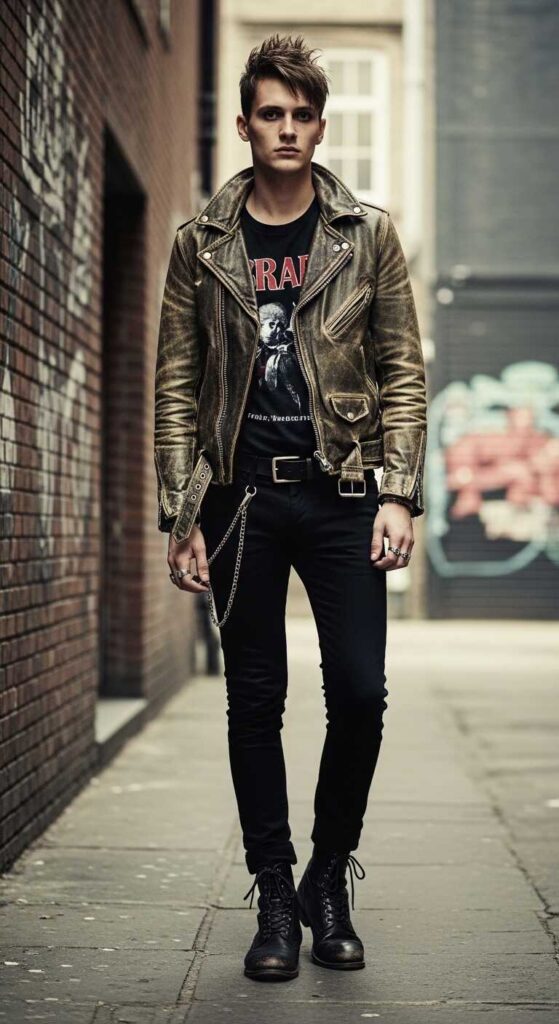
The punk movement of the 1970s played a crucial role in shaping alternative fashion. Influenced by underground music scenes in cities like London and New York, punk style rejected polished mainstream aesthetics. Ripped clothing, safety pins, leather jackets, and bold hairstyles symbolized resistance and anti-establishment attitudes.
Designer Vivienne Westwood helped bring punk fashion into the spotlight by blending rebellious street style with high fashion elements. Her work demonstrated that alternative aesthetics could be both provocative and artistically sophisticated.
Gothic and Dark Romanticism
In the 1980s, gothic fashion emerged from post-punk music scenes. Characterized by dark colors, dramatic silhouettes, and romantic influences, goth style drew inspiration from Victorian fashion, literature, and art. This aesthetic emphasized mystery, elegance, and emotional depth.
Grunge and Anti-Fashion
The 1990s introduced grunge fashion, influenced by alternative rock culture. Oversized flannel shirts, distressed denim, and layered clothing reflected a deliberate rejection of commercial fashion ideals. This era blurred the line between casual wear and artistic statement.
Global Expansion
As alternative fashion evolved, cities like Tokyo became hubs for experimental street style. Japanese subcultures developed highly imaginative looks that combined traditional elements with futuristic creativity, expanding the global reach of alternative aesthetics.
Major Alternative Fashion Subcultures
Alternative fashion is not a single style but a collection of diverse subcultures. Each has its own philosophy, visual language, and cultural roots.
Gothic Fashion
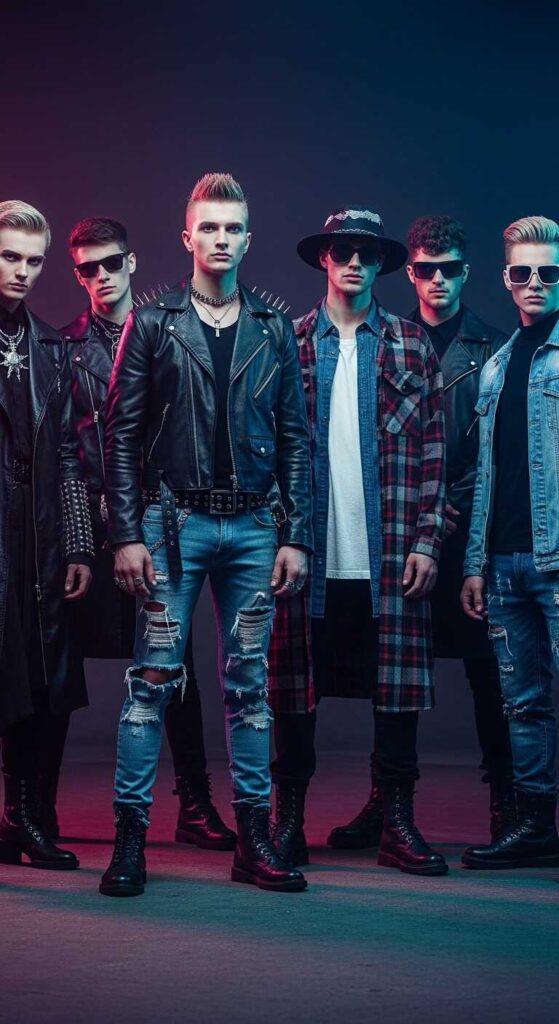
Gothic fashion emphasizes dark elegance and dramatic expression. Key elements include:
- Predominantly black color palettes
- Lace, velvet, and leather textures
- Corsets and Victorian-inspired garments
- Silver jewelry and symbolic accessories
- Dark, expressive makeup
Goth fashion often explores themes of romanticism, mysticism, and introspection. It allows wearers to express emotional depth and artistic sensibility.
Punk Fashion
Punk style is bold, raw, and unapologetically rebellious. Common features include:
- Leather jackets and band patches
- Studs, spikes, and chains
- Ripped fabrics and DIY customization
- Graphic tees and slogans
- Bold hairstyles and unconventional colors
Punk fashion encourages personal modification and anti-consumerist attitudes. DIY culture remains central to its identity.
Read More About: Korean Men Fashion The Ultimate Guide to Style, Trends, and Modern Masculinity
Emo and Scene Fashion
Emerging in the 2000s, emo and scene styles focus on emotional expression and vibrant individuality. These looks typically include:
- Skinny jeans and layered tops
- Graphic prints and band merchandise
- Dramatic hairstyles with bold colors
- Accessories like wristbands and chokers
These styles highlight youth culture and emotional authenticity.
Steampunk Fashion
Steampunk blends Victorian aesthetics with futuristic imagination. Inspired by science fiction and industrial design, it features:
- Corsets and waistcoats
- Goggles and mechanical accessories
- Brass and leather materials
- Vintage silhouettes with futuristic twists
Steampunk celebrates creativity and storytelling through fashion.
Cyber and Futuristic Styles
Cyber fashion reflects technological influence and futuristic themes. It incorporates:
- Synthetic materials and neon accents
- Reflective fabrics and bold silhouettes
- Tech-inspired accessories
- Experimental makeup and hairstyles
This style often explores the relationship between humanity and technology.
Cultural Influences and Artistic Expression
Alternative fashion is deeply connected to music, art, and social commentary. Musicians and artists often shape these aesthetics, using fashion as an extension of their creative vision.
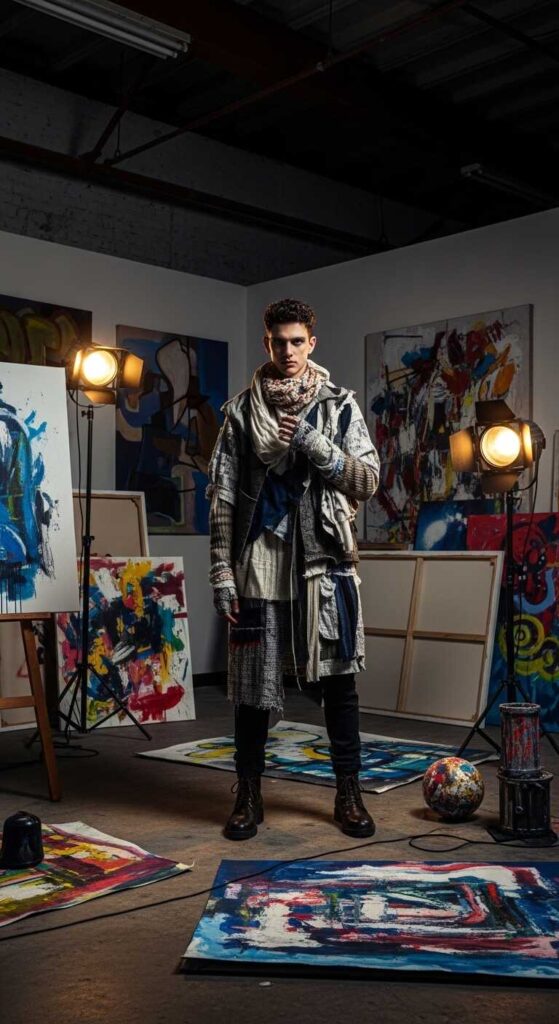
Designer Alexander McQueen pushed the boundaries of alternative fashion by merging theatrical storytelling with avant-garde design. His work demonstrated how clothing can function as wearable art.
Retail spaces like Hot Topic helped popularize alternative styles by making subcultural fashion accessible to a wider audience. This commercialization expanded visibility while sparking debates about authenticity within alternative communities.
Alternative fashion also intersects with performance art, photography, and digital culture. Social media platforms allow individuals to share their unique styles globally, fostering creative exchange and community building.
Key Elements of Alternative Fashion Design
Understanding the design principles behind alternative fashion can help individuals develop their own style.
Color and Contrast
While many alternative styles favor dark palettes, contrast plays a crucial role. Bold color accents, metallic finishes, and unexpected combinations create visual impact.
Texture and Materials
Alternative fashion often experiments with unconventional materials. Leather, lace, vinyl, mesh, and distressed fabrics add depth and tactile interest.
Silhouette and Structure
Dramatic silhouettes such as oversized layers or fitted corsetry emphasize individuality. Asymmetry and unconventional tailoring challenge traditional fashion norms.
Accessories and Symbolism
Accessories carry symbolic meaning in alternative fashion. Jewelry, patches, and embellishments can communicate personal beliefs, affiliations, or artistic themes.
How to Build an Alternative Wardrobe
Creating an alternative wardrobe does not require abandoning practicality. Instead, it involves thoughtful curation and experimentation.
Start with Core Pieces
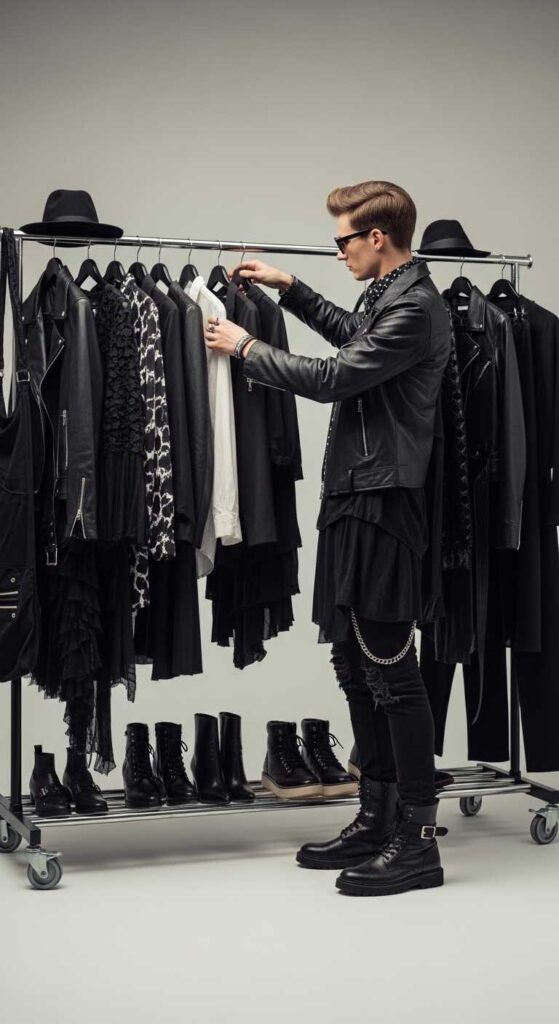
Begin with versatile staples that reflect your preferred aesthetic. Examples include:
- Statement jackets
- Unique footwear
- Layering basics
- Signature accessories
Embrace DIY Customization
Personalization is central to alternative fashion. Modifying clothing with patches, embroidery, or distressing adds authenticity and uniqueness.
Mix Vintage and Modern
Combining vintage finds with contemporary pieces creates dynamic contrasts. Thrift stores and independent designers are valuable resources.
Develop a Signature Style
Rather than copying trends, focus on refining elements that resonate with your personality. Consistency helps establish a recognizable aesthetic.
Alternative Fashion and Identity
For many people, alternative fashion is deeply tied to identity and belonging. It can provide a sense of community and empowerment. Wearing alternative styles often signals alignment with certain values, music scenes, or artistic philosophies.
This form of expression can be especially meaningful for individuals seeking to challenge societal expectations. Alternative fashion encourages confidence, creativity, and authenticity.
At the same time, it evolves with personal growth. Many enthusiasts adapt their styles over time, blending alternative elements with professional or everyday attire.
The Role of Technology and Social Media
Digital platforms have transformed alternative fashion communities. Online spaces allow creators to share tutorials, outfit inspiration, and styling tips. This accessibility fosters innovation and collaboration.
Virtual communities also support niche subcultures that might be geographically dispersed. Through social media, individuals can connect with like-minded people and explore new aesthetic directions.
Technology has also influenced design itself. Advances in fabric production and digital printing enable more experimental creations.
Sustainability in Alternative Fashion
Sustainability aligns naturally with many alternative fashion values. DIY culture encourages upcycling and repurposing clothing, reducing environmental impact.
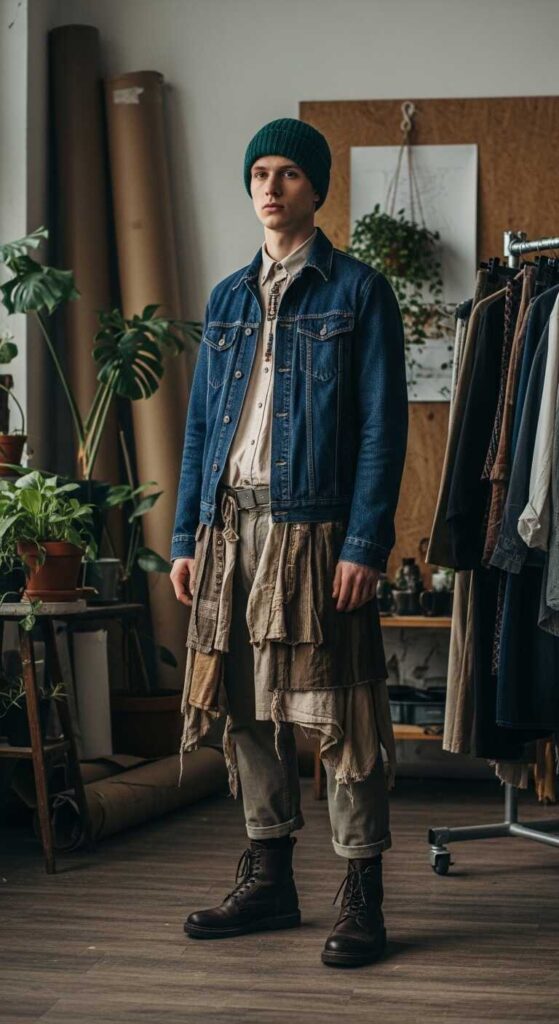
Independent designers often prioritize ethical production and small-scale craftsmanship. Consumers interested in alternative fashion frequently support slow fashion practices and secondhand markets.
By emphasizing longevity and creativity, alternative fashion can contribute to more sustainable consumption habits.
Challenges and Misconceptions
Alternative fashion sometimes faces misunderstanding or stereotyping. People may associate it with rebellion or extremism without recognizing its artistic depth.
Another challenge is balancing authenticity with commercialization. As alternative styles gain popularity, mass production can dilute their original meanings. Enthusiasts often navigate this tension by prioritizing personal expression over brand loyalty.
Despite these challenges, alternative fashion continues to thrive as a dynamic and evolving cultural force.
The Future of Alternative Fashion
The future of alternative fashion is shaped by globalization, technology, and cultural exchange. Hybrid styles are emerging as designers and enthusiasts blend influences from multiple subcultures.
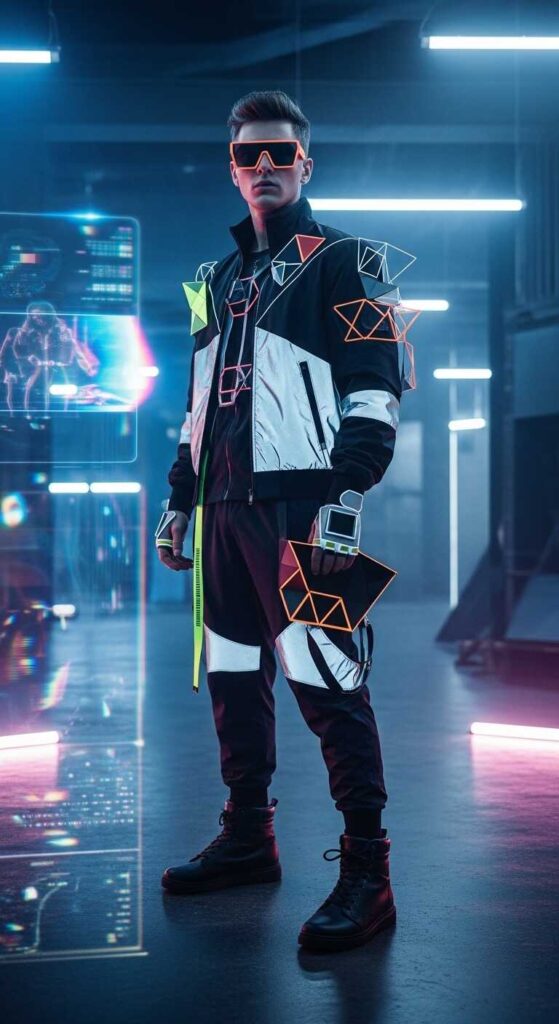
Sustainability and digital innovation will likely play increasing roles. Virtual fashion, augmented reality styling, and eco-friendly materials may redefine how alternative aesthetics are created and experienced.
What remains constant is the emphasis on individuality. Alternative fashion will continue to serve as a platform for creative exploration and identity formation.
Read More About: Men Fashion Casual Outfits The Ultimate Guide to Effortless Style
FAQs
What is the difference between alternative fashion and mainstream fashion?
Alternative fashion differs from mainstream fashion by prioritizing individuality and subcultural identity over popular trends. While mainstream fashion often follows seasonal cycles driven by major brands, alternative fashion focuses on personal expression, DIY creativity, and influences from music and underground culture.
Is alternative fashion only for young people?
No, alternative fashion is not limited by age. Although it is often associated with youth subcultures, people of all ages embrace alternative styles. Many individuals adapt their looks over time, blending alternative elements with mature or professional wardrobes while maintaining their unique identity.
Do I need to follow a specific subculture to wear alternative fashion?
You do not need to strictly follow one subculture. Alternative fashion encourages experimentation and mixing influences. Some people identify strongly with styles like goth, punk, or steampunk, while others combine elements from multiple aesthetics to create a personalized look.
Is alternative fashion expensive?
Alternative fashion can fit many budgets. Thrift shopping, DIY customization, and upcycling are central to the culture and can be very affordable. While some designer pieces may be costly, creativity and resourcefulness matter more than price.
How can beginners start exploring alternative fashion?
Beginners can start by choosing one or two statement pieces that resonate with their interests. Experimenting with accessories, layering, and hairstyles is a simple way to explore new looks without completely changing a wardrobe. Inspiration from music, art, and online communities can also help guide personal style.
Is alternative fashion appropriate for work or school?
Yes, alternative fashion can be adapted for professional or academic environments. Subtle elements such as unique accessories, darker color palettes, or distinctive tailoring can express individuality while remaining appropriate for dress codes.
How is music connected to alternative fashion?
Music plays a major role in shaping alternative fashion. Genres like punk, goth, and alternative rock influence clothing styles, attitudes, and visual aesthetics. Bands such as The Cure helped popularize gothic fashion, while groups like Nirvana influenced grunge style.
Can alternative fashion be sustainable?
Yes, sustainability is a strong aspect of alternative fashion. Many enthusiasts focus on secondhand shopping, clothing repair, and upcycling. These practices reduce waste and encourage long-term use of garments.
What are the most popular alternative fashion styles?
Some of the most recognized styles include gothic, punk, grunge, emo, steampunk, and cyber fashion. Each style has its own visual identity and cultural background, but all emphasize creativity and nonconformity.
How do I develop my own alternative style?
Developing a personal alternative style involves experimentation and reflection. Explore different aesthetics, collect inspiration, and modify clothing to suit your personality. Over time, consistent elements will emerge that define your signature look.
Conclusion
Alternative fashion represents a rich tapestry of creativity, rebellion, and personal storytelling. From its roots in underground music scenes to its global presence today, it has evolved into a multifaceted cultural phenomenon.
By embracing alternative fashion, individuals gain the freedom to experiment, express their identities, and connect with artistic communities. Whether through gothic elegance, punk defiance, or futuristic innovation, this style movement celebrates diversity and imagination.
Ultimately, alternative fashion is not about following rules .it is about rewriting them. It invites everyone to participate in an ongoing dialogue between art, culture, and self-expression, proving that clothing can be a powerful language of individuality.


