

Portable Power Station Setup for Off-Grid Campsites
A portable power station provides a reliable way to run essential devices while camping away from electrical hookups. Whether you need to charge phones, power camping lights, or operate a portable refrigerator, proper setup helps maintain a steady electricity supply. Successful off-grid camping requires careful planning, suitable equipment, and efficient energy management. Understanding battery capacity, solar charging, appliance connections, and environmental protection can prevent unexpected power shortages. This guide explains how to prepare, install, and maintain your portable power station throughout your camping trip.
How to Prepare Your Portable Power Station for Off-Grid Camping
Calculate Power Needs for Your Essential Camping Devices
Start by listing every device you plan to power, including lights, smartphones, refrigerators, and cooking equipment. Check each appliance’s wattage and estimate its daily operating hours. Multiply watts by hours to calculate energy consumption in watt-hours (Wh). Add these figures to estimate your total daily electricity needs. Include extra capacity for inverter losses and unexpected usage. This calculation helps you select appropriate equipment and avoid running out of power during your trip.
Choose the Right Battery Capacity and Output Ports
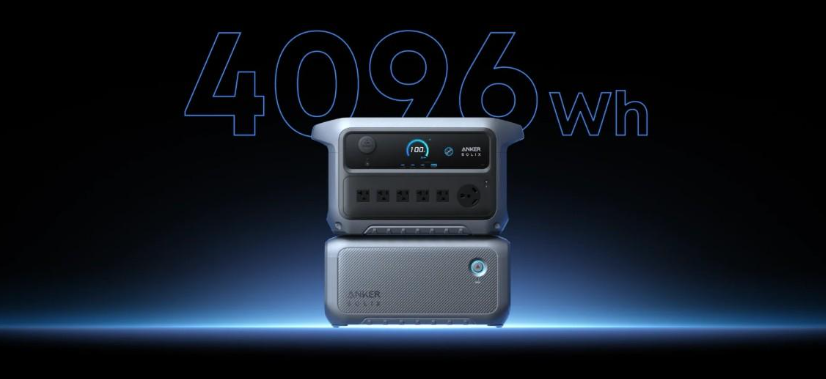
Select a battery capacity that covers your calculated energy needs and anticipated camping duration. Check whether the unit provides sufficient AC outlets, USB ports, and DC connections for your devices. For extended trips, consider the power station options that support expandable battery capacity. The Anker SOLIX C2000 Gen 2 offers up to 4kWh of expandable capacity with a BP2000 (Gen 2) Expansion Battery, supporting a dual-door fridge for up to 64 hours under specified conditions.
Pack Compatible Charging Cables, Adapters, and Solar Panels
Before leaving, gather the charging cables and adapters required for your appliances and power station. Check connector types, charging specifications, and cable condition to prevent compatibility problems. If using solar panels, confirm that their voltage, current, and connector specifications match the station’s solar input requirements. Pack the necessary extension cables and keep spare charging accessories organized in a waterproof container. Test the complete charging setup at home to identify missing equipment before reaching your campsite.
How to Set Up a Portable Power Station at an Off-Grid Campsite
Choose a Dry, Stable Location With Proper Ventilation
Place your portable power station on a flat, stable surface away from standing water, loose soil, and direct rainfall. Choose a shaded location that allows sufficient airflow around ventilation openings. Avoid enclosed tents, tightly packed storage compartments, and areas near campfires or heating equipment. Keep the unit elevated when ground moisture presents a risk, using a sturdy platform. Follow the manufacturer’s clearance recommendations to prevent overheating and maintain safe operation throughout your stay.
Position Solar Panels for Maximum Sunlight Exposure
Install solar panels in an open area with minimal shading from trees, vehicles, or camping equipment. In the Northern Hemisphere, a south-facing orientation generally provides strong overall sunlight exposure. Adjust the panel angle according to the sun’s position and season to improve charging efficiency. Secure panels against wind and position cables where they cannot create tripping hazards. Check sunlight conditions periodically, since moving shadows can significantly reduce solar energy production during the day.
Connect Camping Appliances and Electronics Safely
Check each appliance’s power rating before connecting it to your portable power station. Ensure the combined operating wattage stays below the station’s continuous output limit, accounting for startup surges from refrigerators or other motor-driven equipment. Use the correct AC, USB, or DC ports for each device. Avoid damaged cables, overloaded adapters, and exposed electrical connections. Connect essential equipment first, then monitor the station’s display for power consumption, remaining battery capacity, and operational warnings.
How to Keep Your Portable Power Station Running Off-Grid
Manage Power Consumption to Extend Battery Runtime
Prioritize essential appliances and switch off unnecessary devices to conserve stored energy. Replace high-consumption lighting with efficient LED alternatives and reduce refrigerator door openings to limit compressor operation. Charge smaller electronics during periods of strong solar production whenever practical. Disable unused AC or DC outputs if the station supports this feature. Check remaining battery capacity regularly and adjust your usage accordingly. Maintaining an energy reserve helps keep critical equipment running through cloudy weather or overnight periods.
Recharge Efficiently With Solar Panels or Compatible Car Charging
Recharge your portable power station whenever suitable sunlight or vehicle charging becomes available. Solar panels work best with unobstructed exposure and compatible input specifications. Monitor charging performance and reposition panels when shadows reduce output. For vehicle charging, use manufacturer-approved adapters and verify the supported voltage and current limits. Avoid draining the vehicle’s starter battery while the engine is off. Combining solar charging with compatible vehicle charging can provide additional flexibility during extended off-grid camping trips.
Protect Your Power Station From Rain, Dust, and Extreme Temperatures
Protect the unit from direct rainfall, excessive dust, and prolonged exposure to intense sunlight. Store it beneath a ventilated shelter while keeping cooling vents unobstructed. Avoid placing the station directly on wet ground or near sources of excessive heat. Follow the manufacturer’s operating and charging temperature limits, particularly during freezing conditions. If moisture reaches electrical connections, disconnect equipment safely and allow the affected components to dry completely before use, following manufacturer guidance for suspected water damage.
Conclusion
Setting up a portable power station for off-grid camping starts with calculating energy needs, choosing appropriate battery capacity, and preparing compatible charging equipment. At the campsite, careful placement, effective solar positioning, and safe appliance connections support reliable operation. Managing consumption, maintaining charging opportunities, and protecting equipment from harsh conditions further extend available runtime. With these practical steps, you can maintain essential electrical power, reduce unexpected interruptions, and enjoy a more comfortable camping experience without relying on traditional campsite electricity hookups.


