

Simple Health Check Methods: Easy Ways to Monitor Your Health at Home
Your body talks to you every single day. It whispers through small signals long before it shouts through big ones. Simple health check methods give you a way to listen. You don’t need a medical degree. You just need a few minutes and a bit of consistency.
This guide walks you through practical health checks at home, from vital signs monitoring to lab-based preventive health screening. You’ll learn what’s normal, what’s worth watching, and when it’s time to call a doctor. Let’s get started.
Why Simple Health Check Methods Matter for Everyday Health
Most health problems don’t show up overnight. They build slowly, one small shift at a time. You feel a little more tired. Your sleep gets lighter. Your digestion feels off. These changes often go unnoticed until something bigger forces you to pay attention.
That’s exactly why simple health check methods matter so much. They help you catch early health warning signs before they turn into real problems. Regular self health assessment also builds confidence. You stop guessing and start knowing what’s normal for you.
Understanding Your Personal Health Baseline
Before you track anything, you need a starting point. Think of your personal health baseline as your body’s version of “normal.” It’s not a number from a textbook. It’s specific to you.
Track your resting heart rate, sleep, energy, and digestion for seven to fourteen days without changing your habits. If your morning energy usually sits around six out of ten, that’s your baseline. If it suddenly drops to three, something’s worth investigating. Routine health assessment like this makes future changes easy to spot.
Simple Health Checks You Can Do at Home
Home health monitoring doesn’t require expensive gadgets or medical training. A handful of basic health checks, done consistently, tell you more than you’d expect. Below, you’ll find the core methods worth building into your week.
Each check below focuses on a different vital sign or health signal. Together, they paint a fuller picture of your health status monitoring than any single number could.
Resting Heart Rate and What It Can Tell You
A normal adult resting heart rate sits between 60 and 100 beats per minute, though well-conditioned athletes often fall below 60. To check it, sit quietly for five minutes, place two fingers on your wrist or neck, count your pulse for 30 seconds, then multiply by two. A sudden jump, say from 72 to 92 for several days straight, often points to stress, dehydration, poor sleep, or an infection brewing underneath the surface.
Breathing Rate and Oxygen Awareness
A healthy adult’s breathing rate runs about 12 to 20 breaths per minute at rest. Sit still, count your chest rises for a full minute, and compare the number against that range. Shallow or rapid breathing can signal stress or fatigue, and sometimes just poor posture. If you own a pulse oximeter, normal blood oxygen saturation usually falls between 95% and 100%, and readings below that deserve attention.
Body Temperature Changes
Normal body temperature averages between 97°F and 99°F, though it shifts slightly throughout the day. A small rise can hint at an early infection, while a persistent low-grade fever might signal inflammation somewhere in the body. Check your temperature at roughly the same time each day for the most reliable comparison.
Blood Pressure Monitoring
Blood pressure ranks among the most telling indicators of heart health, and a reading near 120/80 mmHg is considered ideal for most adults. At-home monitors make tracking simple: sit calmly for five minutes, rest your arm at heart level, and skip caffeine beforehand for an accurate number. A single high reading rarely means much on its own, but a pattern over several days tells a real story.
Body Weight and Measurement Trends
Body weight naturally fluctuates day to day because of water, food, and hormones, so don’t panic over daily swings. Weekly averages give a far clearer picture than any single morning on the scale, and monthly trends reveal your true trajectory. Waist measurement matters too; a waist above 40 inches for men or 35 inches for women raises metabolic risk.
| Tracking Type | What It Really Shows |
| Daily weight | Short-term fluctuation, often just water |
| Weekly average | A more honest measure of progress |
| Monthly trend | Long-term health direction |
Hydration and Urine Color Check
Your hydration level affects nearly everything, from focus to digestion, and most adults need roughly 2 to 3 liters of water daily depending on climate and activity. A quick urine color check offers an instant readout of where you stand.
| Urine Color | What It Suggests |
| Light yellow | Well hydrated |
| Dark yellow | Dehydrated, drink more fluids |
| Clear | Possible overhydration |
Sleep Quality and Sleep Patterns
Sleep quality isn’t just about hours logged; it’s about how deeply you actually rest. Healthy adults generally need 7 to 9 hours per night. Track how long it takes you to fall asleep, how often you wake during the night, and how alert you feel each morning, since consistent sleep patterns reveal far more than a single restless night ever could.
Digestive Health and Bowel Changes
Digestive health reflects your internal state better than most people realize. Regular bowel habits, whether once daily or every other day, along with a stable appetite and no persistent bloating, generally point to a healthy gut. The Bristol Stool Chart offers a helpful reference, and long-term constipation or diarrhea should never be brushed aside.
Energy Levels and Daily Stamina
Steady energy levels throughout the day, without sudden crashes, usually signal a well-functioning body. Constant fatigue and low daily stamina, on the other hand, often trace back to iron deficiency, poor sleep, or ongoing stress rather than any single dramatic cause.
Skin, Hair, and Nails as Health Clues
Visible skin changes, thinning or brittle hair health, and sudden nail changes often hint at what’s happening beneath the surface. Dry skin can point to dehydration or nutrient gaps, hair thinning often ties to hormonal shifts or low iron, and brittle nails sometimes suggest a vitamin deficiency worth checking with a blood test.
Mental Health and Emotional Well-Being
Mental well-being shapes physical health more than most people give it credit for. Rising stress levels, frequent mood changes, or trouble focusing deserve daily attention, not just a passing thought. A simple trick works well here: rate your mental state from 1 to 10 each evening, and patterns tend to surface within a week or two.
See Also: Droven io Cloud Computing Guide: Features, Benefits, and Setup for 2026
Listening to Subtle Changes in Your Body
Your body sends quiet warnings long before anything dramatic happens. Frequent headaches, muscle tension, dizziness, or a sudden appetite shift all count as health symptoms worth noting. Repeated afternoon headaches, for example, often trace back to dehydration or too much screen time rather than anything more serious.
Basic Health Checkup Tests and Preventive Screening
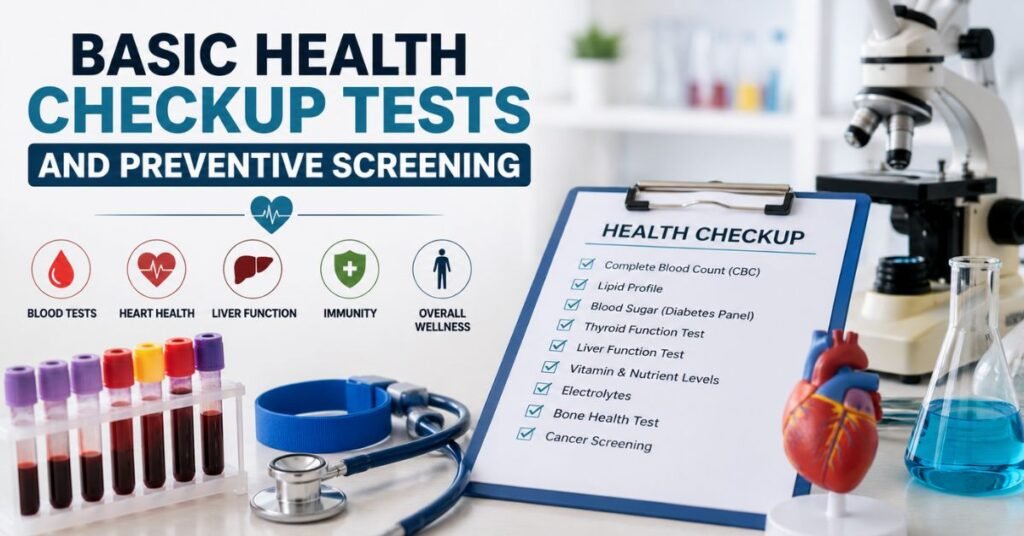
Home checks catch daily patterns, but they can’t see what’s happening inside your bloodstream. That’s where a basic health checkup and formal health screening come in. These tests catch what your senses simply cannot detect on their own.
A preventive health checkup works alongside your home monitoring, not instead of it. Together, they form a complete system for early disease detection and long-term chronic disease prevention.
Complete Blood Count (CBC) or Hemogram
A complete blood count, sometimes called a hemogram or CBC test, screens for anemia, infection, and general immune health by measuring your red cells, white cells, and platelets in one simple blood draw.
Lipid Profile and Cholesterol Testing
A lipid profile, often just called cholesterol test results, measures HDL, LDL, triglycerides, and total cholesterol, giving you a clear window into your cardiovascular risk over time.
Blood Sugar and Diabetes Tests
A blood sugar test, alongside fasting blood glucose and the HbA1c test, forms the backbone of diabetes screening, and regular checks matter even more if diabetes runs in your family.
Thyroid Function Tests
A thyroid function test measures hormones like TSH, and abnormal results often explain unexplained fatigue, weight changes, or mood shifts that home tracking alone can’t pin down.
Liver Function Tests
Liver function test results, particularly ALT and AST levels, reveal how well your liver is processing everything you eat and drink, and catching irregularities early can prevent bigger problems down the road.
Essential Vitamins and Nutrient Tests
Vitamin deficiency testing and broader nutrient testing commonly check Vitamin D, B12, and iron or ferritin levels, since deficiencies here quietly drain energy and mood without any dramatic symptoms at first.
Electrolyte Testing
Electrolyte test results cover sodium, potassium, and magnesium, and keeping these balanced matters enormously for heart rhythm and muscle function, especially if you sweat heavily or take certain medications.
Bone Health and Mineral Testing
Bone mineral testing checks calcium levels and, when needed, a DEXA scan measures bone density directly, which becomes especially relevant as you get older or if osteoporosis runs in your family.
See Also: Why Does Ozdikenosis Kill You? The Truth Behind the Viral Disease Search in 2026
Recommended Cancer Screening Tests
Cancer screening guidelines in the US generally recommend mammograms, colonoscopies, Pap smears, and PSA tests at certain ages, though your doctor should tailor the schedule to your personal and family health history.
Basic Health Tests vs. Comprehensive Health Checkups
Basic health checkup panels cover the essentials: blood count, sugar, and cholesterol. A comprehensive health checkup goes much further, adding imaging, heart tests, and a full doctor consultation.
Choosing between the two often comes down to your health risk assessment, your age, and your budget. Someone with no symptoms and a clean medical history might stick to basics, while someone with risk factors benefits from the fuller picture.
What a Comprehensive Health Checkup May Include
A full comprehensive health checkup pulls together several tools at once, giving your doctor a complete snapshot rather than isolated data points.
Below are the pieces that typically make up this broader routine medical screening.
ECG for Heart Health
An ECG test, also known as an electrocardiogram, records your heart’s electrical activity and can reveal irregular rhythms long before you’d ever feel a symptom.
Chest X-Ray
A chest X-ray screens your lungs and heart size, and it’s often included as a baseline image for anyone with a smoking history or persistent respiratory symptoms.
Ultrasound of the Abdomen and Pelvis
An abdominal ultrasound checks organs like the liver, kidneys, and gallbladder for structural issues that blood tests simply can’t detect on their own.
Fitness and General Health Markers
General health check markers like BMI, grip strength, and flexibility round out the picture, connecting your lab numbers to how your body actually functions day to day.
Doctor Consultation and Health Assessment
A doctor consultation ties every result together. Numbers on a page mean little without someone trained to interpret them against your symptoms, age, and history.
Who Should Consider a Comprehensive Health Checkup?
Anyone over 40, anyone with a family history of chronic disease, or anyone managing ongoing symptoms benefits most from a comprehensive health checkup. It’s also worth considering if it’s been several years since your last full wellness monitoring visit.
Even younger adults with no symptoms gain value from an occasional checkup, since some conditions develop silently and preventive care catches them earlier than waiting for symptoms ever would.
How Often Should You Have a Health Checkup?
Most healthy adults benefit from a basic routine health checks visit once a year, while those with chronic conditions or higher risk factors often need more frequent monitoring. Your doctor is the best judge of your personal schedule, based on your age, history, and current health.
Younger adults with no major risk factors sometimes stretch this to once every two years, but skipping checkups entirely, even when you feel fine, removes your best chance at early disease detection.
Building a Simple Daily Health Monitoring Routine
Consistency beats complexity every time. A short daily health checks routine, done the same way each day, builds the kind of pattern recognition that catches problems early.
The whole routine below takes less than ten minutes total, split across three simple checkpoints in your day.
Morning Health Check
Start your day by checking your pulse, drinking a glass of water, and rating your energy level from one to ten before you do anything else.
Midday Health Check
Pause briefly around midday to notice fatigue, hydrate again, and stretch for a minute or two to reset your posture and focus.
Evening Health Check
Wind down by reflecting on your digestion, checking your mood, and preparing your body for a full night of rest.
See Also: Best Ensalada de Garbanzos Near Me: Fresh, Authentic Chickpea Salad Guide
Helpful Tools for Monitoring Your Health at Home
You don’t need a drawer full of gadgets for effective health monitoring at home. A handful of reliable tools cover nearly everything you need.
| Tool | Purpose |
| Thermometer | Detects fever and tracks body temperature |
| Blood pressure monitor | Tracks heart health over time |
| Pulse oximeter | Measures blood oxygen saturation |
| Smart scale | Tracks body weight trends |
| Notebook or app | Records patterns for personal health monitoring |
Common Mistakes to Avoid When Tracking Your Health
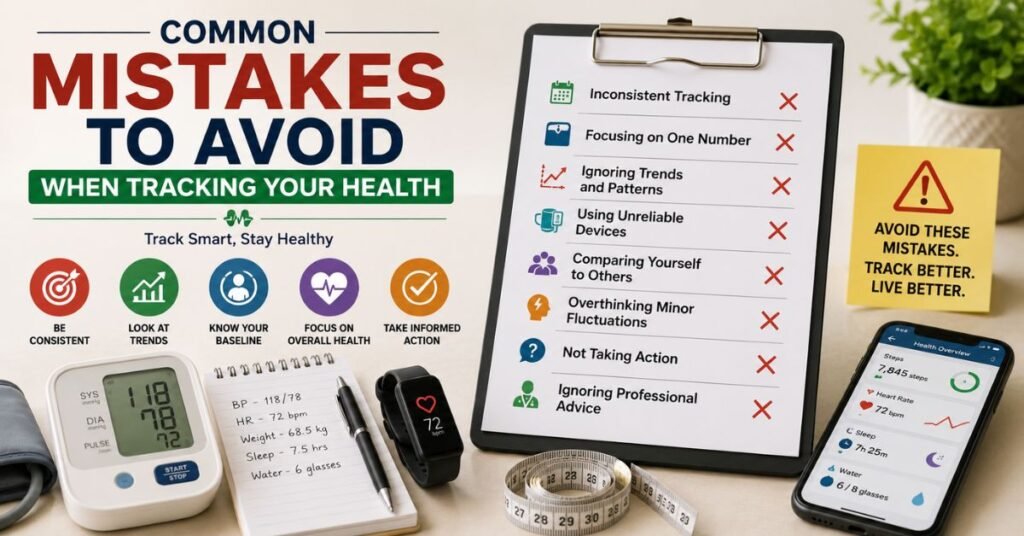
People often panic over a single unusual reading instead of watching the trend over several days. Others check their vitals so often that it creates anxiety rather than clarity, or they compare their numbers to someone else’s instead of their own personal health baseline.
Health tracking should lower your stress, not add to it. If a habit starts feeling obsessive, it’s worth stepping back and reassessing why you’re tracking in the first place.
When Home Health Checks Are Not Enough
Home tools are powerful, but they have real limits. Some health symptoms demand immediate medical attention rather than another day of watching and waiting.
Knowing where that line sits keeps you safe without turning every reading into a crisis.
When You Should Seek Medical Help Immediately
Chest pain or pressure, severe shortness of breath, sudden confusion, fainting, or a persistent high fever all call for immediate medical help. If something feels wrong for several days in a row, don’t wait it out.
Limitations of Home Health Monitoring
Home monitoring can’t diagnose disease, and it can’t replace blood tests or imaging. It also won’t catch every hidden condition, especially ones that develop silently with no outward symptoms at all.
Think of it as a daily awareness system rather than a diagnostic tool. It works best alongside, not instead of, regular preventive healthcare visits with a professional.
Why Preventive Healthcare Matters More Than Ever
Preventive healthcare combines what you do at home with what a doctor can see through lab work and imaging. Together, they cover both the daily patterns and the hidden risks that neither approach catches alone.
As chronic conditions become more common, this combined approach only grows more valuable. Small, consistent habits paired with periodic healthcare screening give you the best odds of catching problems while they’re still easy to manage.
Frequently Asked Questions
What Are the Early Warning Signs of Poor Health?
Fatigue, disrupted sleep, digestive changes, and sudden mood shifts often serve as the earliest early health warning signs worth paying attention to.
Why Is Hydration Important for Good Health?
Proper hydration level supports brain function, digestion, and circulation, and even mild dehydration can affect focus and energy within hours.
Can Poor Sleep Affect Physical Health?
Yes. Poor sleep quality impacts immunity, weight regulation, and mental focus, and the effects compound the longer it goes unaddressed.
What Is a Healthy Resting Heart Rate?
A healthy resting heart rate typically falls between 60 and 100 beats per minute, with well-conditioned athletes often running lower.
Final Thoughts
Your health doesn’t need complexity to stay on track. It needs attention. With simple health check methods, you build awareness step by step, catch patterns early, and respond faster when something’s genuinely off.
The goal was never perfection. It’s steady, quiet awareness that works in the background of your life, backed up by real preventive health checkup visits when it counts.


